Whiteboard for ADHD Task Management Tips
When Your Brain Needs to See It to Believe It
If you have ADHD, keeping tasks locked inside your head rarely works. Your brain might hold onto an idea for thirty seconds before something shiny pulls your attention away. That is not a character flaw. That is just how ADHD works. The good news is that getting your tasks out of your head and onto a surface you can actually see makes a huge difference.
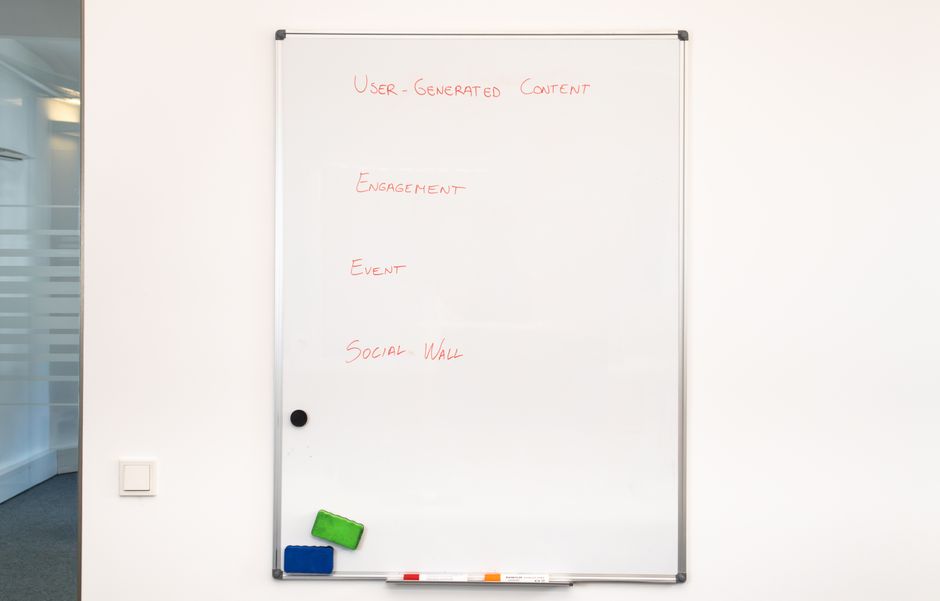
A whiteboard is one of the simplest and most powerful tools for ADHD task management. It is always visible. It does not require you to open an app, remember a password, or scroll through a list. It just sits there on your wall, quietly reminding you what matters today. For many people with ADHD, that kind of low-friction visibility is exactly what they need.
Why Whiteboards Work So Well for ADHD Brains
ADHD often comes with something called out of sight, out of mind thinking. If you cannot see a task, it basically does not exist in your world. A whiteboard fights this directly. When your to-do list is written in big letters on a board hanging right in front of you, it is much harder to forget about it completely.
Whiteboards are also forgiving. You can erase things, move things around, and start fresh without any guilt. There is something genuinely satisfying about wiping off a completed task with a dry eraser. That small physical action gives your brain a little hit of accomplishment, which can help motivate you to keep going. For an ADHD brain that thrives on immediate rewards, that moment of erasing done tasks is more powerful than you might think.
Another reason whiteboards shine is their flexibility. You do not have to follow a rigid system. You can draw boxes, make columns, write in different colors, or sketch a quick mind map when your thoughts are scattered. The board adapts to how your brain is working that day, not the other way around.
Setting Up Your Whiteboard for Success
Placement matters more than most people realize. Put your whiteboard somewhere you will naturally look many times a day. Above your desk is a classic choice. Near your front door works great if you need reminders before leaving the house. The goal is zero effort to see it. If you have to walk into another room or turn your head in an awkward direction, you will start ignoring it within a week.
Keep your setup simple to start. Divide the board into just a few sections. A common and effective layout is three columns: To Do, Doing, and Done. This is sometimes called a Kanban board, and it works beautifully for ADHD because you can physically move a task from one column to the next as you make progress. Seeing something move to the Done column feels rewarding every single time.
Use different colored markers to separate types of tasks. For example, blue for work tasks, green for personal errands, and red for anything urgent. You do not need a complicated system. Just pick two or three colors and stick with them. Consistent color coding helps your eyes find the right information faster without extra mental effort.
Keeping Your Task List Short and Honest
One of the biggest mistakes people with ADHD make on any to-do list is writing down too many things. When you see twenty tasks staring back at you, your brain gets overwhelmed and shuts down before you even start. A whiteboard with a hundred tiny notes loses its power completely.
Try limiting your board to three to five tasks per day. Choose the tasks that genuinely need to happen today, not everything you hope to eventually accomplish. If something on the list has been sitting there for five days untouched, it is worth asking whether it belongs on the board at all, or whether you need to break it into smaller steps first.
Breaking big tasks into small, specific pieces is especially important. Instead of writing Work on project, write something like Write first paragraph of report. Specific tasks are easier to start because your brain knows exactly what doing it looks like. Vague tasks are easy to avoid because there is no clear first move.
Combining Your Whiteboard with Digital Tools
A whiteboard and digital tools do not have to compete. They can work together. Your whiteboard can serve as your daily visual anchor while a digital tool helps you plan ahead, set reminders, or track longer projects. Many people with ADHD find that the physical whiteboard handles the present moment while their phone or computer handles everything else.
If you are looking for a digital companion that actually understands how ADHD brains work, the Gaveki app is worth checking out. It is a free AI-powered focus tool designed to help you stay on track without adding more stress to your day. You could use Gaveki to plan your week and then pull your top three tasks onto your whiteboard each morning.
The key is building a routine where the transition from digital planning to physical whiteboard feels natural. Some people do this first thing in the morning with coffee. Others do it the night before. Find a small ritual that works for you, and your whiteboard will feel like a helpful friend rather than another thing you have to maintain.
Staying Consistent Without Burning Out
Consistency is hard for everyone, but especially for ADHD brains that crave novelty. A brand new whiteboard feels exciting for the first week and then starts gathering dust. The trick is to keep the system so simple that using it takes almost no willpower at all.
Build a short daily habit around your board. Each morning, spend just two minutes looking at it, updating it, and choosing your top task for the day. That is it. Two minutes is easy enough that you can do it even on your worst days. Over time this small habit builds momentum and your whiteboard becomes a real part of how you function.
If you miss a day or your board turns into a chaotic mess, erase everything and start fresh. There is no penalty. There is no streak to protect. ADHD management is not about being perfect. It is about building tools that help you get back on track quickly when things fall apart, and they will sometimes fall apart, and that is completely okay.
You Deserve Systems That Work With You
A whiteboard will not fix everything, and it was never meant to. But for many people with ADHD, having a simple visible space to capture and organize tasks is genuinely life-changing. It meets your brain where it is instead of demanding that your brain work differently.
Start small. Hang a whiteboard somewhere you will see it. Write down your three most important tasks for tomorrow. Try the three-column layout for a week. Pair it with a tool like Gaveki if you want extra support staying focused. And remember that finding what works for your unique brain is progress worth celebrating, no matter how simple the tool turns out to be.
🧠 Tools That Actually Help ADHD Adults
Free ADHD Focus App
Weekly Planner Pad
ADHD Planner for Adults
Amazon links are affiliate links. We may earn a commission at no extra cost to you.
The ADHD focus app that gets it.
Brain dump, focus shield, routines, and coaching — free to start on iPhone, iPad, and Android.