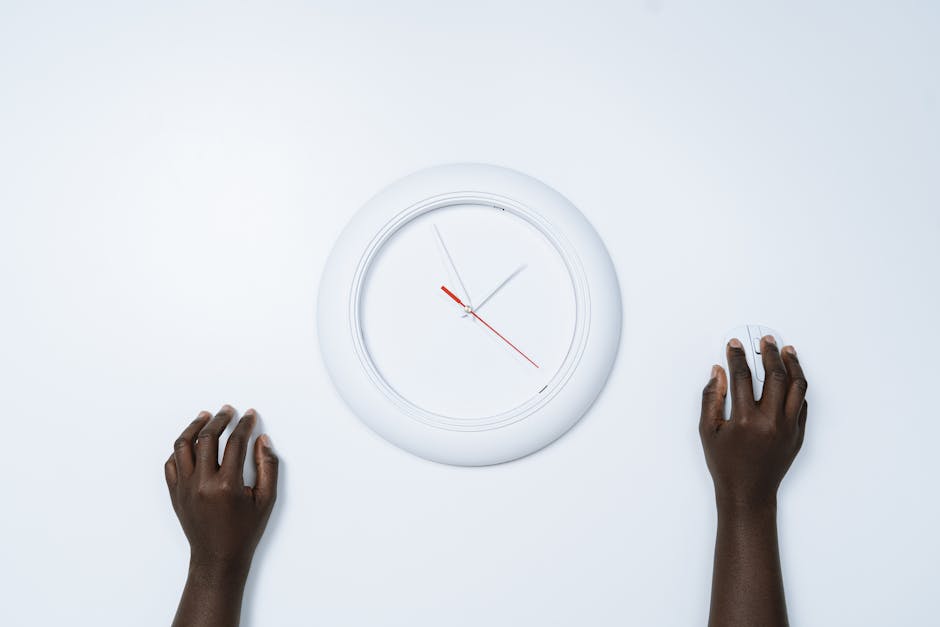
Why ADHD Makes Waiting So Hard
The Wait That Feels Like Forever
You are sitting in a waiting room. The clock on the wall is ticking. You check your phone. You shift in your seat. You check your phone again. Thirty seconds have passed. For most people, waiting is boring. For someone with ADHD, waiting can feel almost physically painful. If this sounds familiar, you are not alone — and you are not being dramatic.
Waiting is one of those everyday experiences that quietly causes a lot of distress for people with ADHD. Whether it is waiting for an email reply, standing in line at the grocery store, or counting down the days to something exciting, time seems to stretch and warp in a way that feels completely out of your control. Understanding why this happens can make a real difference in how you cope with it.
ADHD and the Brain’s Sense of Time
One of the lesser-known parts of ADHD is something called time blindness. This means the ADHD brain has a harder time sensing how much time is passing. While other people have a kind of built-in clock running in the background, that internal clock works differently for people with ADHD. Time can feel like it either disappears instantly or drags on endlessly — there is often no comfortable middle ground.
Researchers who study ADHD have found that the brain’s ability to estimate and track time is connected to the same systems that are affected by ADHD. This is not a character flaw or a sign that you are impatient. It is a real neurological difference. Knowing that can take some of the shame out of the experience, which is a great first step.
When Now and Not Now Are the Only Two Options
Many people who understand ADHD talk about how the ADHD brain tends to think in two time zones: now and not now. Something either demands your attention right this second, or it feels like it does not exist yet. This makes waiting especially hard, because waiting lives in the space between now and not now — and that space is deeply uncomfortable for the ADHD brain.
This can show up in lots of ways. Maybe you keep refreshing your inbox waiting for a reply even though you sent the email five minutes ago. Maybe you find it impossible to enjoy the present moment when you know something is coming up later. Maybe you get extremely restless waiting for a simple task to be done by someone else. These are all signs of how your brain is wired, not signs that something is wrong with you as a person.
Dopamine, Stimulation, and the Need for Something to Happen
ADHD brains are often working with lower levels of dopamine, which is a chemical that plays a big role in motivation, reward, and attention. When nothing is happening — like during a wait — the brain starts craving stimulation. It wants input. It wants something to respond to. Sitting still and waiting gives it nothing to work with, and that creates a restless, anxious, almost frantic feeling.
This is why people with ADHD often do things like pace, fidget, scroll through their phones, or start a completely unrelated task while waiting. The brain is not being silly or rude. It is doing its best to get the stimulation it needs to function. The tricky part is that some of these coping habits — like endless phone scrolling — can make the wait feel even longer and more frustrating in the end.
Emotional Intensity Makes It Worse
ADHD is often connected to stronger emotional reactions. When something matters to you — and waiting almost always involves something that matters — the feelings that come with waiting are turned up louder than they might be for someone without ADHD. Excitement becomes almost unbearable anticipation. Uncertainty becomes real anxiety. Impatience becomes anger or despair.
This emotional intensity is not a separate problem from ADHD — it is part of it. Your nervous system is running hot, and waiting gives those big feelings nowhere to go. It helps to remind yourself that the intensity of what you are feeling is not a measure of how serious the situation actually is. Your brain is amplifying the signal, but that does not mean the situation is as urgent as it feels right now.
Helpful Ways to Make Waiting Easier
The good news is that there are some real, practical things you can do to make waiting less painful. The goal is not to white-knuckle your way through it, but to give your brain what it needs so the wait does not feel like an attack on your sanity.
- Make time visible. Use a timer or a visual countdown so your brain has something concrete to track. Watching a timer tick down gives your internal clock something to hold onto.
- Give your body something to do. A fidget tool, a short walk, or even doodling can help release some of that restless energy without pulling you into a distraction spiral.
- Break the wait into chunks. Instead of thinking about the whole wait, focus on just the next five minutes. Small pieces are much easier for the ADHD brain to handle.
- Use a low-effort task as a bridge. Doing something simple and satisfying while you wait — like tidying a small space or listening to a podcast — can help the time feel less empty.
- Try a focus tool. Apps like Gaveki can help you channel that restless energy into a structured focus session, turning the wait into something productive instead of something you are just suffering through.
None of these will make waiting feel completely effortless. But they can take the sharp edges off and help you get through it without burning out your patience before the wait is even over.
You Are Not Too Impatient — You Are Wired Differently
It is worth saying clearly: struggling with waiting does not make you childish, selfish, or immature. People with ADHD are often told they just need to be more patient, as if patience is simply a choice you can make on the spot. But when your brain processes time and stimulation differently, patience requires a lot more active effort than it does for others. That deserves acknowledgment, not criticism.
Learning about why waiting is hard for your brain is genuinely useful. It helps you stop blaming yourself and start finding strategies that actually fit the way your mind works. Tools like the Gaveki app are built with that in mind — designed to work with your ADHD brain, not against it. You are doing better than you think, even on the days when the waiting feels like it might swallow you whole.
🧠 Tools That Actually Help ADHD Adults
Free ADHD Focus App
Noise Cancelling Earbuds
Focus Tools Bundle
Amazon links are affiliate links. We may earn a commission at no extra cost to you.
The ADHD focus app that gets it.
Brain dump, focus shield, routines, and coaching — free to start on iPhone, iPad, and Android.