Nutrition and ADHD: Foods That Help Your Brain Focus
Your Brain Is Hungry for the Right Fuel
Have you ever noticed that after a big sugary snack, your focus crashes hard? Or that skipping lunch makes it nearly impossible to sit down and get anything done? If you have ADHD, these moments probably feel very familiar. The connection between what you eat and how your brain works is real, and it matters a lot when you are already dealing with attention challenges.
This is not about finding a magic food that cures ADHD. It does not work that way, and anyone who tells you otherwise is oversimplifying things. But the foods you eat every day do affect how your brain produces and uses the chemicals that help with focus, motivation, and calm. Small changes to your diet can make a noticeable difference in how you feel throughout the day.
The good news is that eating better for your brain does not have to be complicated or expensive. You do not need a strict meal plan or a cabinet full of supplements. You just need a basic understanding of what helps and what tends to hurt, so you can make choices that work for your life.
Protein: The Foundation of Focus
Protein is one of the most important nutrients for ADHD brains. Your brain uses protein to build neurotransmitters like dopamine and norepinephrine. These are the exact chemicals that play a big role in attention and motivation. When you eat enough protein, you give your brain the raw materials it needs to keep those systems running smoothly.
Good protein sources include eggs, chicken, fish, beans, lentils, nuts, Greek yogurt, and tofu. Try to include some protein in every meal and even your snacks. A breakfast with protein, like eggs or peanut butter on whole grain toast, tends to lead to better focus in the morning compared to a sugary cereal that spikes and then crashes your blood sugar.
Many people with ADHD skip breakfast or forget to eat altogether. If that sounds like you, keeping easy high-protein snacks nearby can help. Cheese sticks, hard-boiled eggs, or a handful of almonds take almost no effort but can seriously support your brain through a long morning or afternoon.
Omega-3 Fatty Acids: Brain Food You Have Actually Heard Of
Omega-3 fatty acids are fats that your brain genuinely loves. They are found in the outer layer of brain cells and help those cells communicate with each other more effectively. Research has looked at the relationship between omega-3 levels and ADHD symptoms, and many people find that getting enough of these healthy fats supports their ability to focus and regulate emotions.
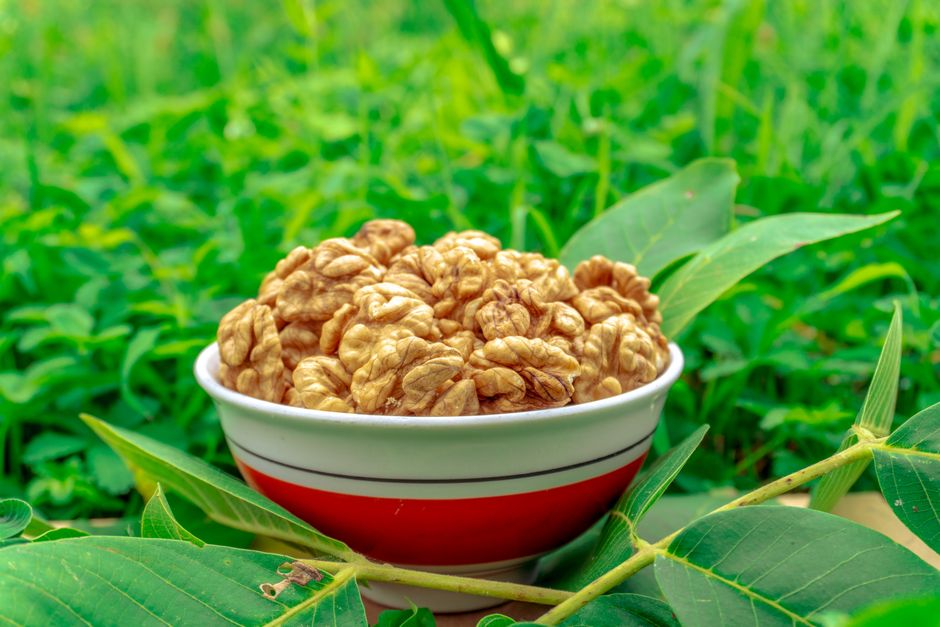
The best food sources of omega-3s are fatty fish like salmon, sardines, mackerel, and tuna. If you are not a big fish eater, walnuts, flaxseeds, chia seeds, and hemp seeds also contain a form of omega-3s. Some people choose to take a fish oil supplement, but always talk to a doctor before adding supplements to your routine.
Try to eat fatty fish at least twice a week if you can. Even canned salmon or tuna works great. Toss it in a salad, mix it into pasta, or put it on crackers for a quick and brain-friendly snack. Small habits like this add up over time.
Complex Carbohydrates: Steady Energy Without the Crash
Carbohydrates are not the enemy. Your brain actually runs on glucose, which comes from carbs. The problem is the type of carbs you choose. Simple sugars and refined carbohydrates, like white bread, candy, soda, and pastries, send your blood sugar shooting up and then crashing down fast. That crash often shows up as brain fog, irritability, and difficulty focusing.
Complex carbohydrates digest more slowly and give your brain a steady, even supply of energy. Good options include oats, brown rice, quinoa, sweet potatoes, whole grain bread, and most vegetables and fruits. These foods also tend to come with fiber, which slows digestion down even further and keeps you feeling satisfied longer.
Pairing complex carbs with protein is a smart strategy for ADHD brains. Think oatmeal with nuts and seeds, or a sweet potato alongside some chicken. This combination keeps your blood sugar stable and your energy consistent, which makes it much easier to stay focused and avoid that mid-afternoon slump.
Foods That Can Make Focus Harder
Just as some foods support your brain, others can work against it. Sugary drinks and foods with a lot of added sugar can cause energy spikes and crashes that disrupt focus and mood. Ultra-processed snacks with artificial dyes and preservatives have been studied in relation to attention and behavior, particularly in children, though more research is still ongoing.
Caffeine is a complicated one. Some people with ADHD find that moderate caffeine helps them focus. Others find it makes anxiety worse or disrupts their sleep, which then makes ADHD symptoms harder to manage the next day. Pay attention to how your body responds and be honest with yourself about whether that third cup of coffee is actually helping.
Alcohol can also interfere significantly with sleep quality, impulse control, and emotional regulation, all things that are already challenging with ADHD. This is not about being perfect or cutting everything out. It is about noticing patterns and understanding which choices tend to make your days easier or harder.
Hydration and Meal Timing Matter Too
Even mild dehydration can affect your ability to concentrate. Your brain is mostly water, and when you are not drinking enough, cognitive tasks feel harder. Many people with ADHD forget to drink water during busy or hyperfocused stretches of the day. Keeping a water bottle visible on your desk can serve as a simple visual reminder.
Meal timing also plays a role. Skipping meals or going too long without eating can tank your focus and make emotional regulation harder. If you tend to forget to eat, setting a gentle alarm or pairing mealtimes with other habits can help you stay on track. Some ADHD-friendly tools, like the Gaveki app, can help you build routines around things like eating, hydrating, and taking breaks so these habits become more automatic over time.
You do not have to overhaul your entire diet overnight. Start with one small change, maybe adding protein to breakfast, or swapping a sugary snack for something with more sustaining energy. Little shifts in the right direction still move you forward.
You Are Doing Better Than You Think
Managing ADHD is genuinely hard work, and the fact that you are reading about how to support your brain better says a lot about your commitment to yourself. Nutrition is just one piece of the puzzle alongside sleep, movement, support systems, and strategies like those inside the Gaveki app that help you build focus and structure into your day.
Be patient with yourself. Some days will be easier than others. Progress is not always a straight line, and that is completely okay. Every small choice you make to nourish your brain is a step worth celebrating. You deserve to feel focused, energized, and capable, and you have more power to support that than you might realize.
🧠 Tools That Actually Help ADHD Adults
Free ADHD Focus App
Magnesium Glycinate
Vitamin D3 K2
Amazon links are affiliate links. We may earn a commission at no extra cost to you.
The ADHD focus app that gets it.
Brain dump, focus shield, routines, and coaching — free to start on iPhone, iPad, and Android.