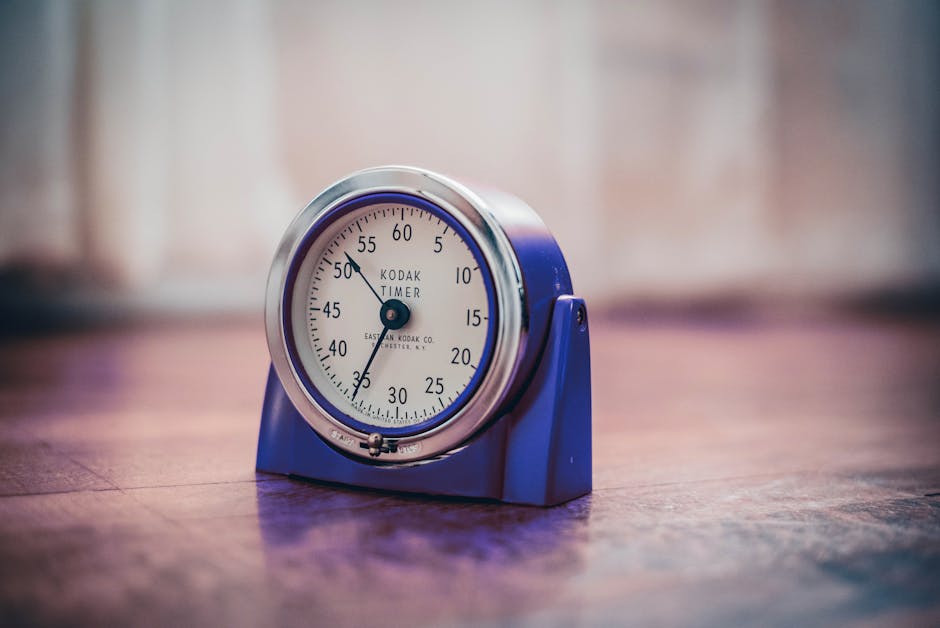
Focus Timer for ADHD: How to Use One Effectively
When Regular Timers Just Don’t Cut It
You set a timer for 25 minutes. You stare at the screen. Five minutes later, you’re reading about the history of staplers and you have no idea how you got there. Sound familiar? If you have ADHD, using a focus timer isn’t as simple as just pressing start and getting to work. Your brain needs a little more than a countdown to stay on track.
The good news is that focus timers can genuinely help people with ADHD — but only when you use them the right way. There’s actually a bit of a strategy behind it. Once you understand how your brain responds to time and structure, a simple timer can become one of your most useful tools.
This article walks you through exactly how to make focus timers work for you, not against you.
Why ADHD Brains Struggle With Time
People with ADHD often experience something researchers call time blindness. This means it can be genuinely hard to feel how much time is passing. An hour can feel like ten minutes. A five-minute task can feel like it takes forever. This isn’t laziness or carelessness — it’s just how ADHD brains are wired differently.
Because of this, open-ended work time feels almost impossible to manage. When there’s no clear start and stop, your brain doesn’t know when to focus or when to rest. It can swing between hyperfocus on the wrong thing or complete shutdown on the right thing.
This is where a focus timer helps. It creates a time container — a visible, defined chunk of time with a clear beginning and end. That structure gives your brain something to hold onto.
Choosing the Right Session Length
The classic Pomodoro method says work for 25 minutes, then take a 5-minute break. That works great for a lot of people. But if you have ADHD, 25 minutes might still feel too long — especially on hard tasks or difficult days. Starting with shorter sessions is completely okay and often smarter.
Try starting with just 10 or 15 minutes. That might sound too short to get anything done, but finishing a short focused session feels like a win. And wins matter a lot when you’re working against an ADHD brain that’s been told it can’t focus. Small successes build momentum.
As you get more comfortable, you can slowly work up to longer sessions. Some people find 20 minutes is their sweet spot. Others do great with 30 or even 45 minutes once they’re warmed up. The right length is the one that keeps you coming back to the timer instead of avoiding it.
Setting Yourself Up Before You Press Start
One of the biggest mistakes people make with focus timers is starting the clock before they’re actually ready. You hit start, then spend the first eight minutes figuring out what you’re supposed to be doing. That’s not a focus session — that’s a planning session in disguise.
Before you start your timer, take two minutes to do these things:
- Pick one specific task. Not “work on the project” — something more like “write the first paragraph of the report.”
- Clear your space. Close extra browser tabs. Put your phone face down. Remove whatever you know will pull your attention.
- Write it down. Jot the task on a sticky note or piece of paper where you can see it. When your brain drifts, that note brings you back.
This two-minute prep ritual trains your brain to shift into focus mode. Over time, it becomes a signal — like a starting gun that your brain learns to recognize.
What to Do When Your Mind Wanders Mid-Timer
Here’s something important: your mind will wander. That’s not failure. That’s just ADHD being ADHD. The goal isn’t to never get distracted — it’s to practice gently coming back.
Keep a small notepad next to you called a brain dump list. Every time a random thought pops up — “I need to call the dentist,” “what’s that actor’s name,” “did I feed the cat” — write it down quickly and return to your task. You’re not ignoring the thought, you’re parking it. This keeps your brain from feeling like it has to hang onto everything at once.
Some people also find it helpful to use apps designed specifically for ADHD focus. Gaveki is a free AI-powered focus app built with ADHD in mind, and it can help you structure your sessions in a way that actually fits how your brain works — not how a neurotypical productivity blog thinks it should work.
Taking Breaks the Right Way
Breaks are not optional. They are part of the work. Your brain needs short recovery time between focused sessions, and skipping breaks usually leads to a crash that makes the next session twice as hard.
A good break for ADHD looks a little different from just scrolling your phone. Try to do something that lets your brain truly rest:
- Walk around your home or go outside for a few minutes
- Get a glass of water or a snack
- Do some light stretching or movement
- Stare out a window and let your mind go blank
The reason phone scrolling doesn’t work well as a break is that it keeps your attention engaged and stimulated. You finish the break more depleted than when you started. Physical movement, even just a short walk, tends to reset your focus much more effectively.
Building a Routine Around Your Timer
Using a focus timer once is helpful. Using it consistently is where the real difference happens. When your brain starts to associate certain cues with focus time, getting started becomes less of a battle.
Try to use your timer at the same time each day, even for just one session. Pair it with something you already do — after your morning coffee, right when you sit down at your desk, or after lunch. That pairing helps build a habit your brain can follow without fighting you every time.
If you want extra support staying consistent, the Gaveki app can help you track your sessions and stay accountable in a low-pressure way that doesn’t feel like another thing to fail at.
You Can Do This — One Timer at a Time
Focus timers won’t fix everything. But when you use them thoughtfully, they can give your ADHD brain the structure and rhythm it genuinely craves. You don’t need perfect focus. You just need short, intentional pockets of it — and a little grace for yourself when things don’t go perfectly.
Start small. Set that 10-minute timer. Pick one task. Press start. You might be surprised what you can do when you stop fighting your brain and start working with it instead.
🧠 Tools That Actually Help ADHD Adults
Free ADHD Focus App
Visual Timer for ADHD
Noise Cancelling Headphones
Amazon links are affiliate links. We may earn a commission at no extra cost to you.
The ADHD focus app that gets it.
Brain dump, focus shield, routines, and coaching — free to start on iPhone, iPad, and Android.