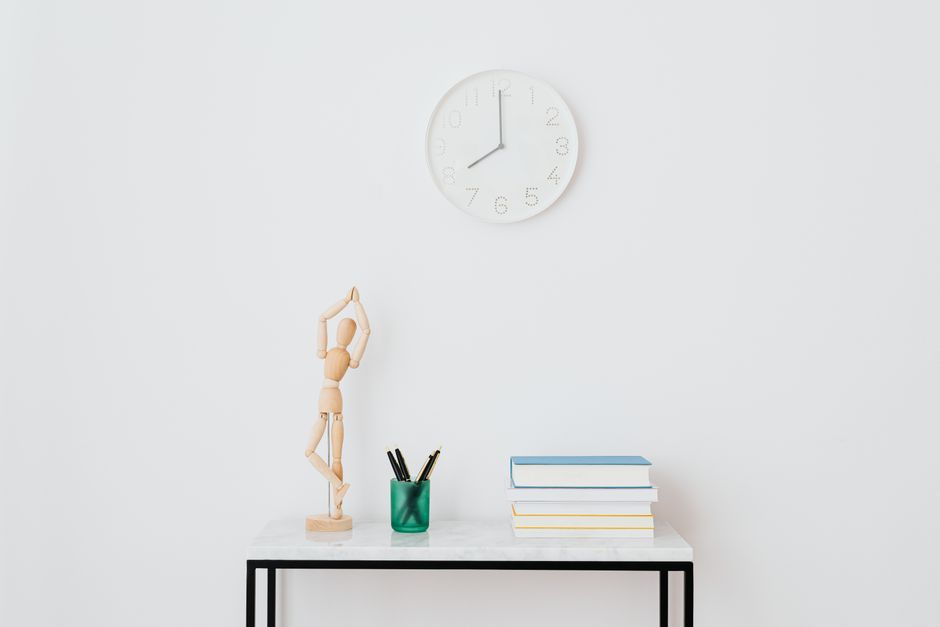
ADHD Desk Organization Tips for Better Focus
Your Desk Is Not the Problem (But It’s Not Helping Either)
You sit down to work. There are three empty cups, a charger that belongs in another room, seven sticky notes you wrote two weeks ago, and something you cannot even identify under a folder. Sound familiar? If you have ADHD, a cluttered desk can make it almost impossible to focus. Your brain is already working overtime just to filter out distractions, and a messy workspace adds fuel to that fire.
Here is the good news. You do not need a Pinterest-perfect setup to get things done. You just need a space that works with your ADHD brain, not against it. These tips are simple, realistic, and designed for people who have tried “getting organized” before and felt like they failed. You did not fail. The systems were just not built for you.
Start With a Five-Minute Surface Reset
Forget deep cleaning. Forget reorganizing your entire office in one afternoon. That plan has probably backfired before, and that is okay. Instead, try a five-minute surface reset at the end of each day. Set a timer, clear everything off your desk that does not belong there, and put it somewhere else. Not organized — just somewhere else. You can deal with it later.
The goal here is simple. When you sit down to work tomorrow, your desk should feel like a fresh start. A clear surface signals to your brain that it is time to focus. Over time, this small daily habit can make a real difference in how quickly you settle into work mode. Five minutes is manageable. Five minutes is enough.
Only Keep What You Use Every Single Day
One of the biggest mistakes people with ADHD make is keeping too much stuff on their desk “just in case.” The scissors you might need. The book you meant to read. The three pens that probably do not work anymore. All of that visual noise pulls your attention in different directions before you even start a task.
Try this rule: if you do not use it every single day, it does not live on your desk. That does not mean you throw it away. Give it a home somewhere nearby — a drawer, a shelf, a basket — so you can find it when you actually need it. Your desk surface should only hold your most essential tools. Think laptop, one notebook, one pen, and maybe a water bottle. That is it.
When there is less to look at, there is less to get distracted by. Your brain will thank you for removing decisions from its plate before the workday even begins.
Use Visual Systems That Work for ADHD Brains
Out of sight really does mean out of mind for many people with ADHD. That is not a flaw — it is just how your brain processes information. This means hiding everything away in closed drawers and boxes can actually make things worse. If you cannot see it, you might forget it exists entirely.
Instead, try open and visible storage systems. Clear bins, open trays, and labeled containers let you see what you have without creating clutter. A small whiteboard or sticky note on your monitor can hold your top three tasks for the day. A physical inbox tray gives loose papers a home instead of letting them pile up everywhere.
Color coding can also be a game changer. Use different colored folders or sticky notes for different types of work. Your brain loves novelty and visual contrast, so lean into that. Make your organization system bright, obvious, and almost impossible to ignore.
Manage Cords, Noise, and Other Hidden Distractions
A cluttered desk is not just about objects. It is also about everything your senses pick up while you are trying to work. Tangled cords are a surprisingly common distraction — your eyes keep catching them, and suddenly you are thinking about untangling them instead of your actual task. A simple cord clip or velcro tie can solve this in about two minutes.
Noise is another big one. If your environment is loud or unpredictable, your ADHD brain will spend enormous energy trying to filter it out. Noise-canceling headphones, a white noise machine, or even a simple fan can create a steady sound environment that helps you stay in the zone. Experiment to find what works for your brain specifically — some people focus better with music, some with silence, and some with background noise like a coffee shop.
Lighting matters too. Harsh overhead lights can feel draining, while a warm desk lamp can make your workspace feel calmer and more inviting. Small changes to your physical environment can have a surprisingly big impact on your ability to focus.
Build a “Launch Pad” for the Next Day
One of the hardest parts of having ADHD is getting started. The transition from “not working” to “working” can feel like pushing a boulder uphill. A launch pad can help. At the end of your workday, spend two to three minutes setting up your desk for tomorrow. Open the tab you will need. Put the notebook on top of the folder. Set out the one thing you need to start with.
When you sit down the next morning, your future self will have everything ready to go. There is no hunting for the right file or trying to remember where you left off. Your brain gets a running start instead of spinning its wheels before the day even begins. Tools like the Gaveki app can also help you carry your task list and focus session from one day to the next, so nothing slips through the cracks overnight.
Give Yourself Permission to Do This Imperfectly
Organization with ADHD is not a one-time achievement. It is an ongoing, evolving process. Some days your desk will be clear and calm. Other days it will look like a paper explosion happened at three in the afternoon. Both of those days are normal. The goal is not perfection — the goal is building small habits that help you get back on track faster when things fall apart.
Be patient with yourself as you try new systems. It is okay to adjust things that are not working. If a tip in this article does not fit your life, skip it. You know your brain better than anyone. Pair your physical organization with digital tools like Gaveki to help manage focus sessions and task lists alongside your workspace routine.
A desk that supports your focus does not have to be spotless. It just has to be yours — set up in a way that gives your ADHD brain a fighting chance. You are more capable than you think, and a little bit of structure can go a long way toward proving that to yourself every single day.
🧠 Tools That Actually Help ADHD Adults
Free ADHD Focus App
Desk Whiteboard
Standing Desk Converter
Amazon links are affiliate links. We may earn a commission at no extra cost to you.
The ADHD focus app that gets it.
Brain dump, focus shield, routines, and coaching — free to start on iPhone, iPad, and Android.