Minimalist Workspaces for ADHD Focus
Your Space Might Be Working Against You
You sit down to work. You have every intention of getting things done. But then your eyes land on that pile of papers from three weeks ago, the random charger that belongs to a device you no longer own, and approximately seventeen sticky notes with things you definitely meant to do. Before you know it, twenty minutes have passed and you have not typed a single word. Sound familiar?
For people with ADHD, a cluttered workspace is not just an eyesore. It is a distraction machine. The ADHD brain has a harder time filtering out visual information that does not matter right now. Everything your eyes land on becomes something your brain wants to think about. That means your environment has a much bigger impact on your focus than it might for someone without ADHD.
The good news is that small, simple changes to your physical space can make a real difference. You do not need to buy expensive furniture or hire an organizer. You just need to understand what your brain needs and make your space work with it instead of against it.
Why Clutter Hits Different With ADHD
The ADHD brain is always looking for something interesting. It is wired to notice novelty and movement. A messy desk gives it plenty to work with. Every object is a potential rabbit hole. A book you have been meaning to read. A snack wrapper that makes you think about lunch. A photo that reminds you of a trip you want to plan. None of this is your fault. It is just how your brain processes the world around you.
Visual clutter also adds to something called cognitive load. This is the mental effort your brain uses to process your surroundings. When your space is busy and chaotic, your brain is already working hard before you even start your actual task. For an ADHD brain that already struggles with attention resources, this extra load can make focus feel nearly impossible.
Minimalist workspaces reduce that load. When there is less to look at, there is less competing for your attention. Your brain can settle into what you are supposed to be doing instead of constantly getting pulled in different directions.
Start Small — You Do Not Have to Overhaul Everything
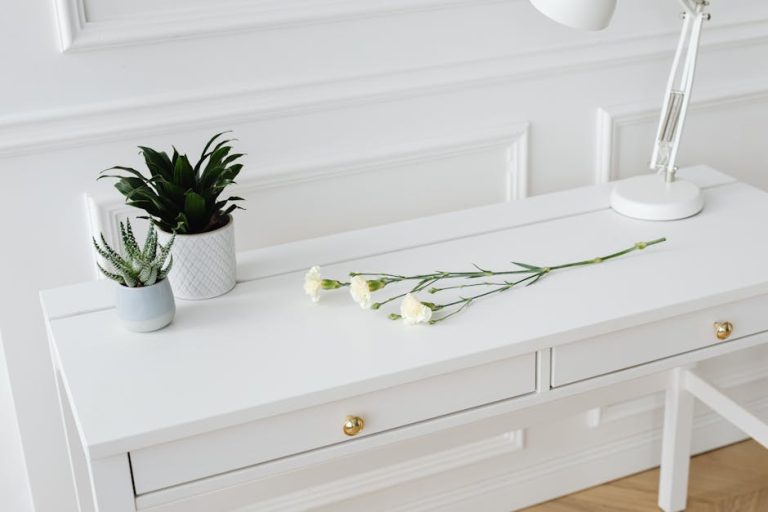
The word minimalist can feel overwhelming, especially if your current space looks like a tornado recently passed through. But minimalism for ADHD focus is not about having a perfectly bare, magazine-worthy desk. It is about removing the things that steal your attention without giving anything useful back. Start with just your immediate workspace — the area right in front of you.
Try clearing everything off your desk surface first. Put it all in a box or push it to the side. Then only bring back the things you actually need for today’s work. Notice how different it feels to sit at a clear surface. Most people with ADHD are surprised by how much calmer their brain feels with less visual noise around them.
Do not aim for perfect. Aim for better than yesterday. Even removing three distracting objects from your desk is a win worth celebrating. Small improvements add up over time and you are more likely to keep changes that do not feel like a huge ordeal to maintain.
The Essentials of an ADHD-Friendly Workspace
So what should actually be on your desk? Think about the things that help you work, not the things that simply live there out of habit. A good rule of thumb is to keep only what you will use in the next hour within reach. Everything else can live in a drawer, a shelf, or another room entirely.
- One notebook or notepad — for quick thoughts so they do not hijack your focus
- Your primary device — just the one you are working on right now
- A water bottle — hydration helps your brain, and it removes the excuse to get up and wander
- Headphones — for blocking out sound distractions or playing focus-friendly audio
- Good lighting — natural light is best, but a decent desk lamp works too
Notice what is not on that list. Phones face-up, snacks, random knick-knacks, stacks of old mail, or anything else that your eyes might wander to. These things are not bad by themselves, but in a workspace they become attention traps. Put your phone in a drawer or across the room while you work if you can.
Managing Digital Clutter Too
Your physical desk is just one part of the picture. Your screen can be just as chaotic as a messy room. Thirty open browser tabs, desktop icons covering every inch of space, and constant notification pop-ups are all forms of clutter that pull your brain away from what matters.
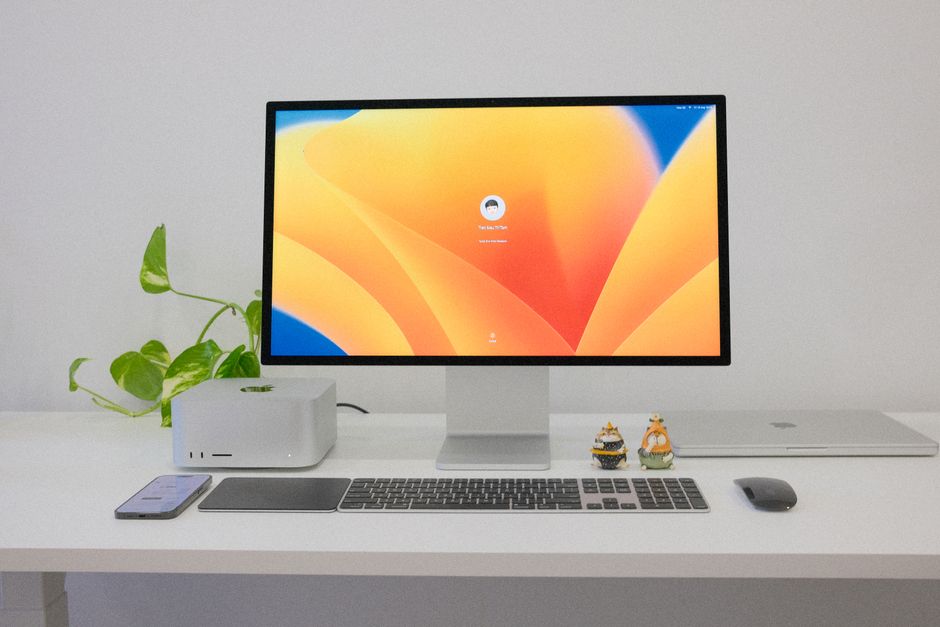
Try closing every tab you are not using right now. Set your browser homepage to something plain and simple. Turn off non-essential notifications during your work time. Even changing your desktop wallpaper to something calm and simple can reduce visual noise on your screen. These feel like tiny tweaks but they add up.
Using a focused tool can also help. The Gaveki app is designed with ADHD brains in mind, helping you stay on one task at a time without getting overwhelmed by everything else on your list. A clean digital environment pairs well with a clean physical one.
Keeping It Simple Over Time
The hardest part of a minimalist workspace is not setting it up. It is maintaining it. Clutter has a sneaky way of creeping back in. Papers pile up. Items migrate from other rooms. Before long, you are back to square one wondering why you cannot focus again.
Build a short end-of-day reset habit. It does not need to take more than two or three minutes. Clear your surface, put things back where they belong, and close all your tabs. This tiny routine protects the work you did to create a calmer space and sets you up for a better start tomorrow.
If you notice clutter building up during the day, that is okay too. You can do a quick one-minute tidy between tasks. Pairing this with a tool like Gaveki to plan your next task can help you transition smoothly instead of losing time in the shuffle.
Your Space Is a Tool — Use It
You deserve a workspace that supports you instead of fighting you every step of the way. People with ADHD already work hard to manage their attention. Your environment should be helping, not adding more obstacles to climb over before you even begin.
You do not need a perfect space. You need a space that is a little bit better, a little bit calmer, and a little bit more on your side. Start with one small change today. Clear one surface. Close half your tabs. Move one distraction out of reach. Your brain will thank you for it, and you might be surprised how much easier focus feels when your space is finally working with you.
🧠 Tools That Actually Help ADHD Adults
Free ADHD Focus App
Desk Whiteboard
Standing Desk Converter
Amazon links are affiliate links. We may earn a commission at no extra cost to you.
The ADHD focus app that gets it.
Brain dump, focus shield, routines, and coaching — free to start on iPhone, iPad, and Android.