Standing Desks for ADHD: Boost Focus and Energy
Why Sitting Still Feels Like a Battle
If you have ADHD, you already know that sitting still for long periods feels almost impossible. Your legs want to bounce. Your body wants to move. You shift in your chair a dozen times before you even finish one task. This is not a character flaw. It is just how your brain and body work together.
The good news is that you can work with your body instead of against it. A standing desk is one simple tool that many people with ADHD find genuinely helpful. It lets you move, shift your weight, and stay physically engaged while you work. And when your body feels more awake, your brain often follows.
What a Standing Desk Actually Does for Your Brain
Standing while you work gets your blood moving more freely through your body. Better blood flow means more oxygen reaching your brain. More oxygen in your brain can help you feel more alert and ready to focus. For people with ADHD, that extra alertness can make a real difference when you are trying to push through a tough task.
Physical movement also helps regulate something called dopamine, a chemical your brain uses to stay motivated and engaged. People with ADHD often have lower dopamine activity, which makes it harder to start and finish tasks. Small physical actions like shifting your weight, swaying lightly, or even tapping your foot while standing can give your brain just enough stimulation to stay on track.
Standing also naturally changes your posture. When you stand up straight, you tend to feel more alert and confident. That shift in how your body feels can actually change how your mind feels too. Many people report feeling more ready to tackle work when they are on their feet rather than sinking into a chair.
The Connection Between Movement and Focus
ADHD brains need stimulation to stay engaged. When there is not enough stimulation, the brain goes looking for it somewhere else. That is when you start daydreaming, checking your phone, or suddenly becoming very interested in reorganizing your desk supplies. Standing gives your body a low-level physical input that helps satisfy that need for stimulation.
You do not have to stand completely still either. In fact, you probably will not. And that is perfectly fine. Shifting from foot to foot, doing a little stretch, or even marching in place for a few seconds all count as helpful movement. Some people put a balance board or an anti-fatigue mat under their standing desk to encourage even more gentle movement throughout the day.
Pairing a standing desk with a focus tool can make a big difference. Apps like Gaveki are designed with ADHD in mind, helping you break work into manageable chunks with timers and gentle structure. When your body is already engaged from standing, adding a simple focus system on top of it can help you get into a real working rhythm.
How to Get Started Without Spending a Fortune
You do not need to buy an expensive electric standing desk to try this out. There are plenty of affordable options worth exploring first. A simple desk riser sits on top of your existing desk and lifts your monitor and keyboard to standing height. These can cost as little as thirty or forty dollars and let you test whether standing works for you before making a bigger investment.
Another option is to improvise. A sturdy box, a stack of books, or a kitchen counter can work as a temporary standing workspace. The goal is just to see how your body responds. Give it a few days before you decide if it is helping. The first day might feel a little awkward, and your feet or legs might feel tired. That is completely normal and it gets easier quickly.
If you do decide to invest in a full adjustable standing desk, look for one that makes switching between sitting and standing easy. The ability to change positions throughout the day is actually the most important feature. No one should stand for eight hours straight, and you will be more consistent with it if switching feels effortless.
Finding Your Ideal Standing and Sitting Balance
The goal is not to stand all day. That would just trade one type of discomfort for another. Instead, think about cycling between sitting and standing throughout your workday. A common starting point is standing for twenty to thirty minutes, then sitting for the same amount of time. Over time, you will find your own natural rhythm.
Transitions between sitting and standing can actually work as natural mental reset points. When you shift positions, you give your brain a tiny fresh start. For ADHD brains that struggle with task transitions, these small physical resets can be surprisingly helpful. You might find it easier to move on to the next item on your to-do list right after you switch positions.
Using Gaveki to time your focus sessions pairs really well with this approach. You can stand for one focused work block, sit and rest during the break, then stand again for the next session. Your body and your brain both get the variety they need to stay fresh and engaged throughout the day.
Small Tips to Make Your Standing Desk Setup Work Better
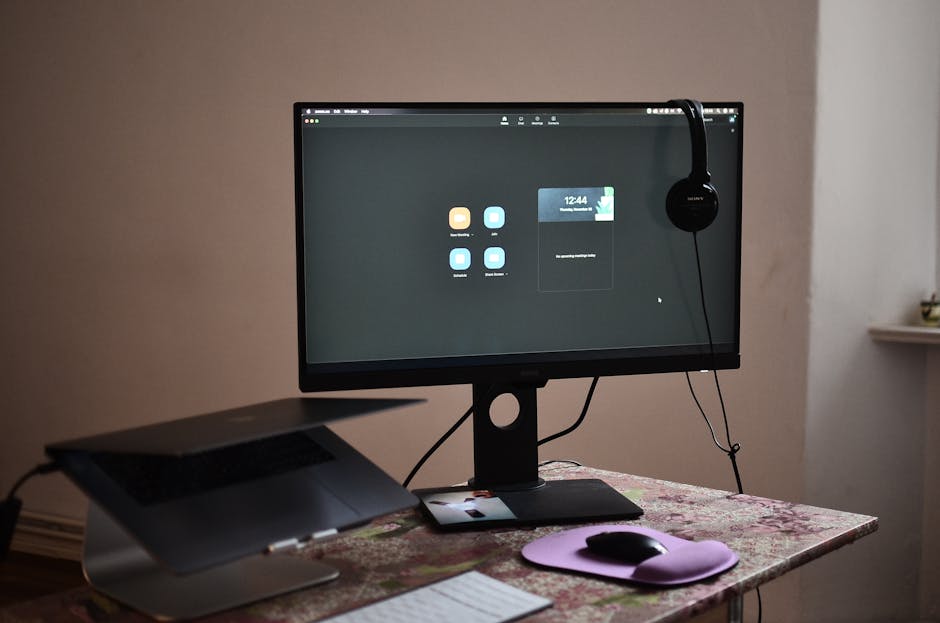
Getting the height right matters more than most people expect. Your elbows should be at roughly a ninety-degree angle when your hands rest on the keyboard. Your monitor should be at eye level so you are not straining your neck up or down. Taking five minutes to adjust your setup properly will save you a lot of discomfort later.
- Wear supportive shoes or stand on an anti-fatigue mat to protect your feet and joints.
- Keep water nearby so you stay hydrated, which also supports focus and energy.
- Use a timer to remind yourself to switch between standing and sitting.
- Add a small fidget tool to your standing area for extra sensory input when you need it.
- Start gradually — even one or two hours of standing per day can make a noticeable difference.
You Deserve a Workspace That Works for You
Living with ADHD means learning to design your environment in ways that support your brain rather than fight it. A standing desk is not a magic cure, but it is a practical, low-risk tool that many people with ADHD find genuinely helpful. It honors the fact that your brain and body both need movement, variety, and stimulation to perform at their best.
Start small. Try a makeshift standing setup for a few days. Pay attention to how you feel. You might be surprised at how much easier it becomes to stay on task when your body has a little more freedom to move. Your brain has always been looking for the right conditions to thrive — sometimes the answer is as simple as getting on your feet.
🧠 Tools That Actually Help ADHD Adults
Free ADHD Focus App
Desk Whiteboard
Sticky Notes Value Pack
Amazon links are affiliate links. We may earn a commission at no extra cost to you.
The ADHD focus app that gets it.
Brain dump, focus shield, routines, and coaching — free to start on iPhone, iPad, and Android.