Natural Light & ADHD: Boost Mood and Focus
When the Sun Goes Away, So Does Your Focus
Have you ever noticed how much harder it is to get anything done on a gray, cloudy day? You sit down to work, but your brain feels like it’s wrapped in a wet blanket. If you have ADHD, this feeling might hit you even harder than it does other people. You are not imagining it, and you are definitely not being lazy. Natural light plays a real role in how your brain works every single day.
The good news is that something as simple as sunlight can make a genuine difference in your mood and your ability to focus. You do not need to overhaul your entire life to feel the benefits. Small, easy changes to how you get natural light can help your brain work better. Let’s talk about why light matters so much and what you can actually do about it.
Why Natural Light Matters for Your Brain
Your brain runs on a kind of internal clock called the circadian rhythm. This clock tells your body when to feel awake, when to feel sleepy, and when to release important chemicals that affect your mood and focus. Natural light is the main thing that sets and resets this clock every day. When your circadian rhythm is off, everything feels harder — especially for ADHD brains.
Light also helps your brain produce serotonin, a chemical that helps you feel calm and happy. Low serotonin levels are linked to low mood, irritability, and trouble focusing. Since many people with ADHD already find it harder to regulate mood and attention, getting enough natural light can give your brain a little extra support. Think of it like charging a battery that tends to drain faster than other people’s batteries.
On top of that, natural light helps your body manage melatonin, the chemical that makes you feel sleepy. When light hits your eyes in the morning, melatonin drops and you start to feel more alert. When you stay indoors under dim or artificial light all day, your melatonin levels may not drop the way they should, leaving you feeling foggy and sluggish even when you need to be on.
ADHD and Sleep: A Tangled Mess That Light Can Help
Sleep problems are extremely common with ADHD. Many people with ADHD have trouble falling asleep, staying asleep, or waking up feeling rested. A disrupted circadian rhythm often makes these problems worse. When your internal clock is confused, your body does not know when to wind down or when to wake up, and that makes ADHD symptoms harder to manage during the day.
Getting natural light early in the morning can be one of the most helpful things you do for your sleep. Even stepping outside for ten minutes after you wake up tells your brain it is time to be awake. That signal helps set your body clock for the rest of the day, which means your brain will have an easier time winding down when nighttime comes.
Better sleep means better focus, better emotional regulation, and a much easier time managing the challenges that come with ADHD. It is not a cure, but a more consistent sleep schedule supported by natural light is a genuinely helpful piece of the puzzle.
Simple Ways to Get More Natural Light Every Day
You do not need to spend hours outside in perfect weather to feel a difference. Small, consistent habits work better than big, occasional efforts. Here are some easy ways to bring more natural light into your daily life:
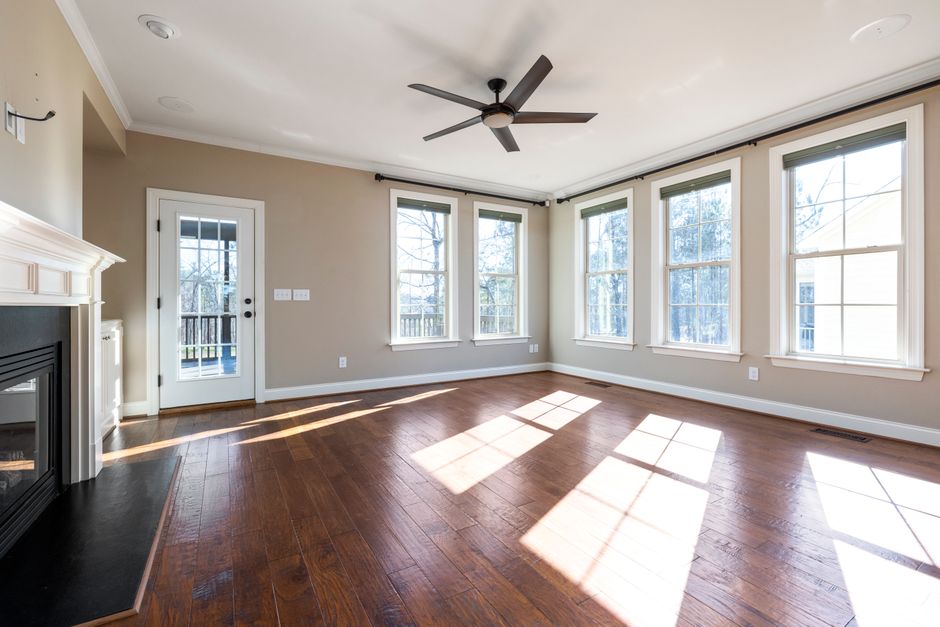
- Open your curtains first thing in the morning — even before you do anything else. Let that light hit your eyes right away.
- Take a short walk outside during the day, even if it is just ten or fifteen minutes. Lunchtime walks work really well.
- Move your workspace near a window if you can. Natural light while you work is much better than fluorescent lighting.
- Eat a meal outside when the weather allows. It is a low-effort way to add light into your routine.
- Try a light therapy lamp in the morning during winter months or on days with little sunlight. These lamps mimic natural daylight and can help your brain wake up properly.
The key is to make these habits feel easy and automatic. Starting with just one change — like opening your curtains every morning — can be enough to build momentum. Small wins matter, especially for ADHD brains that thrive on quick, visible results.
Pairing Light With Your Focus Routine
Natural light is one helpful tool, but it works even better when it is part of a bigger focus routine. Many people with ADHD do well when their environment is set up to support attention. This means reducing distractions, creating a clear structure for tasks, and using tools that help them stay on track without piling on guilt when things go sideways.
If you are working on building better focus habits, the Gaveki app was designed specifically with ADHD in mind. It uses AI to help you stay focused and work through your tasks in a way that fits how your brain actually operates. Combining a supportive environment — good light, less clutter, fewer distractions — with the right tools can make a real difference in what you are able to get done.
Think of natural light as setting the stage and a focus tool like Gaveki as helping you perform once the curtain goes up. Neither one is a magic fix, but together they support the kind of conditions where ADHD brains can actually thrive.
Cloudy Days and Dark Winters Are Not Your Fault
It is worth saying clearly: if you live somewhere with long winters or lots of cloudy days, the drop in your mood and focus is real and it is not a personal failure. Seasonal changes in light can hit people with ADHD especially hard. Recognizing that the environment is playing a role can help you stop blaming yourself and start looking for practical solutions instead.
Light therapy lamps, getting outside whenever there is a break in the clouds, keeping your home brighter during the day, and maintaining a consistent wake time even in dark months can all help. Some people also find it helpful to talk to a doctor about seasonal mood changes, especially if they feel significant. You deserve support, and asking for it is a smart move.
You Have More Tools Than You Think
Managing ADHD is not about finding one perfect solution. It is about stacking small helpful habits until your daily life feels a little more manageable. Natural light is one of those habits — free, accessible, and backed by real science. Your brain responds to its environment, and you have more power over that environment than it might feel like on a hard day.
Start small. Open a window. Take a walk. Notice how a little sunlight shifts your mood even slightly. Those small shifts add up over time, and you are absolutely worth the effort it takes to find what works for your brain.
🧠 Tools That Actually Help ADHD Adults
Free ADHD Focus App
Smart Water Bottle
ADHD Productivity Planner
Amazon links are affiliate links. We may earn a commission at no extra cost to you.
The ADHD focus app that gets it.
Brain dump, focus shield, routines, and coaching — free to start on iPhone, iPad, and Android.