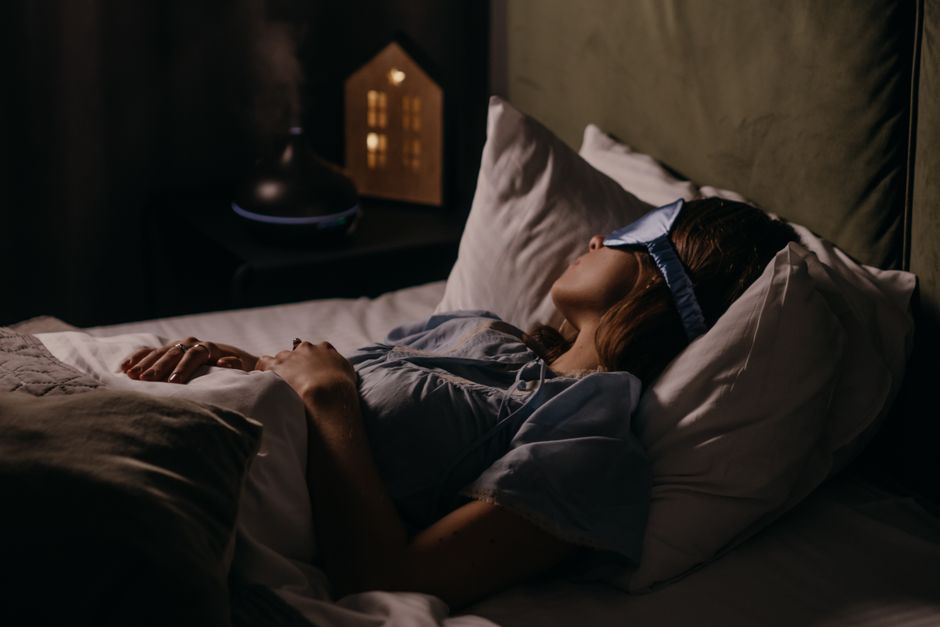
Better Sleep with ADHD: Tips That Actually Work
When Your Brain Won’t Shut Off at Night
You’re exhausted. You’ve been exhausted all day. But the moment your head hits the pillow, your brain decides it’s the perfect time to replay every awkward conversation from 2015 and make a mental grocery list and worry about that email you forgot to send. Sound familiar? If you have ADHD, this is probably a very regular Tuesday night.
Sleep problems and ADHD go together like peanut butter and jelly — except nobody asked for this combination. Research suggests that up to 70% of people with ADHD experience sleep difficulties. This isn’t a willpower problem or a laziness problem. It’s how ADHD affects the brain’s ability to wind down. The good news is that small, practical changes can make a real difference in how you sleep.
Why ADHD Makes Sleep So Hard
ADHD affects more than just attention and focus. It also affects your body’s internal clock, sometimes called your circadian rhythm. Many people with ADHD naturally feel more awake and alert later in the evening. This is sometimes called delayed sleep phase, and it means your body genuinely isn’t ready for sleep at a “normal” bedtime. It’s not you being difficult — it’s biology.
On top of that, the ADHD brain often struggles to stop racing thoughts long enough to drift off. During the day, distractions and tasks give your brain something to latch onto. At night, when everything gets quiet, your mind can go into overdrive. Add in the fact that stimulant medications can sometimes wear off in ways that cause a rebound effect in the evening, and you’ve got a perfect storm for sleepless nights.
Build a Wind-Down Routine You’ll Actually Stick To
The phrase “bedtime routine” probably makes your eyes roll. But hear this out — a wind-down routine for ADHD doesn’t have to be a rigid 12-step process. It just needs to be a consistent signal to your brain that sleep is coming. Think of it like a runway that helps your brain land smoothly instead of crash-landing into bed at 2am.
Start small. Pick two or three things you can do in the same order each night. It could be making a cup of herbal tea, brushing your teeth, and reading a few pages of a book. The activities matter less than the consistency. Over time, your brain starts to recognize these cues and begins shifting into a sleepier state. You’re essentially training your brain the same way you’d train any habit — with repetition and patience.
- Dim the lights about an hour before bed to signal your body to produce melatonin
- Set a “screens off” alarm so you don’t have to rely on remembering
- Keep your routine to 30-45 minutes so it feels doable, not overwhelming
- Do it at the same time every night — yes, even on weekends when possible
Tame the Racing Thoughts
One of the biggest sleep thieves for ADHD brains is the unstoppable flood of thoughts that arrives at bedtime. Random ideas, unfinished tasks, worries about tomorrow — they all pile in at once. Trying to just “stop thinking” never works. Instead, give your brain somewhere to put all those thoughts so it doesn’t have to keep holding onto them.
A simple brain dump can work wonders. Keep a notebook next to your bed and spend five minutes writing down everything that’s swirling in your head. To-do items, random thoughts, tomorrow’s worries — get it all out on paper. This tells your brain it doesn’t have to keep those things on mental hold anymore. They’re written down and safe. You’ll deal with them tomorrow. For many people with ADHD, this small habit is genuinely life-changing for sleep.
You can also try using the Gaveki app to dump your unfinished tasks and reminders before bed. Knowing that tomorrow’s priorities are already captured somewhere reliable can quiet that anxious part of your brain that’s afraid you’ll forget something important overnight.
Set Up Your Sleep Environment for Success
The ADHD brain is sensitive to sensory input. Sounds, lights, and temperature that other people might ignore can absolutely sabotage your sleep. Creating a bedroom environment that minimizes distractions gives your brain less to latch onto when you’re trying to settle down.
Keep your bedroom cool, dark, and quiet. If outside noise is an issue, white noise or a fan can help mask it. Some people with ADHD find that weighted blankets provide a calming sensory input that makes falling asleep easier — though this varies from person to person. The key is to experiment and find what works for your specific sensory needs, not just copy what works for someone else.
- Use blackout curtains if morning light wakes you up too early
- Try white noise, brown noise, or rain sounds to block distracting sounds
- Keep your phone charger outside the bedroom to remove the temptation
- Reserve your bed for sleep only so your brain associates it with rest
Watch What You Do in the Hours Before Bed
What you do in the afternoon and evening has a bigger impact on your sleep than most people realize. Caffeine is an obvious one — many people with ADHD drink more coffee or energy drinks to manage their focus during the day, but caffeine can stay in your system for six to eight hours. Cutting off caffeine by early afternoon can make a noticeable difference in how quickly you fall asleep.
Exercise is another powerful tool. Regular physical activity during the day can help reduce hyperactivity and restlessness at night. Even a 20-minute walk makes a difference. Just try to avoid intense exercise within two to three hours of bedtime, since it can leave your body too activated to wind down. Late-night screen time, especially social media and video games, can also delay sleep by keeping your brain stimulated and suppressing melatonin. Setting a consistent “last screen” time is one of the most impactful changes you can make.
Be Patient With Yourself and Keep Experimenting
If you’ve tried sleep tips before and they haven’t worked, please don’t give up on yourself. Sleep with ADHD is genuinely harder, and what works for someone without ADHD might not work for you. This isn’t failure — it’s just information. Keep trying different combinations of strategies until you find your own version of a sleep routine that actually fits your life.
Tools like Gaveki can help you stay consistent with your daytime focus and task management, which actually reduces that pile-up of unfinished mental business that makes bedtime so chaotic. Better days often lead to better nights. And if sleep problems are significantly affecting your daily life, it’s always worth talking to a doctor or mental health professional who understands ADHD — you don’t have to figure this all out alone.
You Deserve Good Sleep
Living with ADHD is exhausting enough without also being sleep-deprived on top of it. Better sleep won’t fix everything, but it can make your focus sharper, your emotions more stable, and your day feel a whole lot more manageable. Start with just one or two changes from this list. Small steps done consistently beat perfect plans that never happen.
You’ve got this. One night at a time.
🧠 Tools That Actually Help ADHD Adults
Free ADHD Focus App
Sleep Mask
Blue Light Glasses
Amazon links are affiliate links. We may earn a commission at no extra cost to you.
The ADHD focus app that gets it.
Brain dump, focus shield, routines, and coaching — free to start on iPhone, iPad, and Android.