Blue Light & ADHD Sleep: What You Need to Know
Why Sleep Feels So Hard When You Have ADHD
If you lie awake for hours even when you’re exhausted, you’re not alone. Many people with ADHD struggle to fall asleep, stay asleep, or wake up feeling rested. It can feel like your brain simply refuses to shut off at night. The frustrating part is that poor sleep makes ADHD symptoms worse the next day, and worse symptoms make it harder to wind down at night. It becomes a cycle that feels impossible to break.
One piece of the puzzle that doesn’t get talked about enough is blue light. It’s everywhere in our modern lives, and for people with ADHD, it may be doing more damage than most people realize. Understanding what blue light actually does to your brain — and what you can do about it — can make a real difference in how you sleep and how you feel.
What Is Blue Light and Where Does It Come From?
Blue light is a type of light with a short wavelength and high energy. It comes from the sun naturally, which is part of why sunlight helps us feel awake and alert during the day. The problem is that our phones, tablets, laptops, televisions, and LED lights also produce a lot of blue light. When we use these devices in the evening, we’re basically telling our brains it’s still daytime.
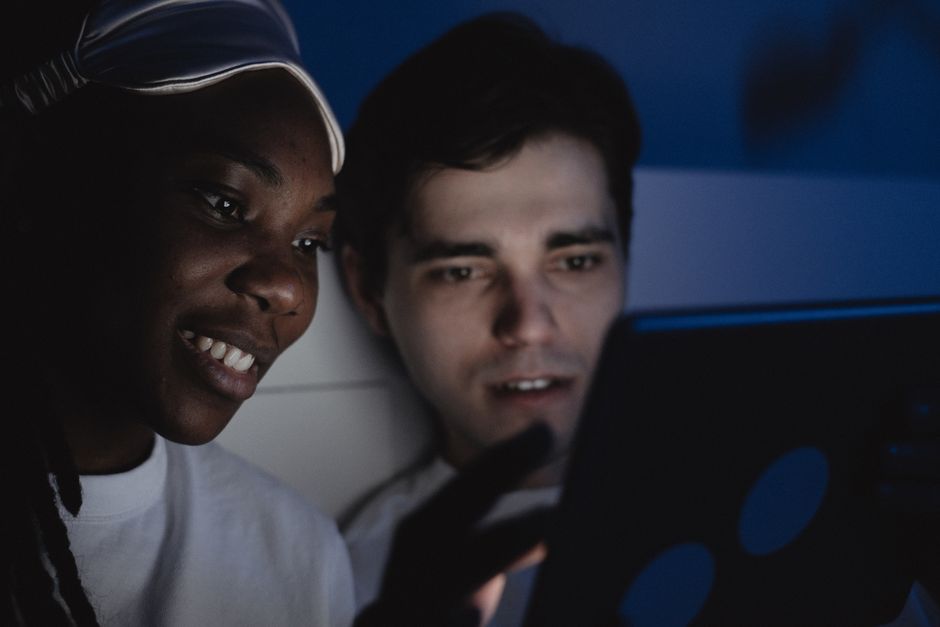
Most of us spend hours looking at screens before bed. Scrolling through social media, watching shows, playing games — these are common ways to unwind. But for your brain, these activities are actually the opposite of unwinding. The blue light from your screen is sending a very clear signal to your body to stay awake and alert.
How Blue Light Affects Your Brain’s Sleep Signals
Your body runs on something called a circadian rhythm. Think of it as an internal clock that tells you when to feel sleepy and when to feel awake. A key part of this system is a hormone called melatonin. Your brain starts releasing melatonin when it gets dark outside, signaling that it’s time to sleep. Blue light disrupts this process by suppressing melatonin production, sometimes for several hours after you stop looking at a screen.
For people with ADHD, this is especially significant. Research suggests that many people with ADHD already have a naturally delayed sleep cycle, meaning their bodies want to fall asleep later than average. Add blue light exposure on top of that, and your brain’s sleep signals get pushed back even further. What might already be a midnight bedtime can easily slide to one, two, or three in the morning without you even realizing why.
The ADHD and Blue Light Connection
People with ADHD often find screens particularly hard to put down. This isn’t a willpower problem. ADHD brains tend to seek out stimulation and novelty, and screens are designed to deliver exactly that in an endless stream. The result is that someone with ADHD may be both more drawn to screens at night and more vulnerable to the sleep-disrupting effects of blue light. That’s a tough combination.
There’s also the issue of hyperfocus. Many people with ADHD know the feeling of sitting down to watch one video and suddenly realizing two hours have passed. When this happens at night, it doesn’t just cost you sleep time. All that blue light exposure during those hours of hyperfocus makes it even harder to fall asleep once you do stop. Your brain is now alert, stimulated, and low on melatonin all at once.
Simple Things You Can Try Tonight
The good news is that you don’t have to overhaul your entire life to start seeing improvements. Small, realistic changes can help your brain start winding down at a more reasonable time. Here are some strategies worth trying:
- Use night mode or warm display settings on your phone and computer starting around two to three hours before bed. Most devices have this built in and it takes about thirty seconds to set up.
- Try blue light blocking glasses in the evening. They won’t eliminate the problem but they can reduce how much blue light reaches your eyes.
- Set a soft alarm or reminder to start winding down at a set time each night. For ADHD brains, external cues are often more effective than internal intentions.
- Swap screens for something lower-stimulation as you get closer to bedtime. Audiobooks, podcasts, light stretching, or even just dimming the lights in your space can all help signal to your brain that sleep is coming.
- Keep your phone out of reach when you’re trying to fall asleep. The temptation to check it is real, and removing the option makes it much easier to resist.
These aren’t about being perfect. They’re about giving your brain a slightly better chance to find its way to sleep. Even one or two of these habits can start shifting things in the right direction.
Building a Wind-Down Routine That Works for ADHD
Routines can feel restrictive, but for ADHD brains they often act as an anchor. A consistent wind-down routine tells your brain what’s coming next, which can reduce the mental noise that keeps so many people with ADHD awake. The key is keeping the routine simple and short. Something you can actually do every night, not just on nights when everything goes perfectly.
If you’re working on building better focus habits during the day, tools like the Gaveki app can help you structure your time so that evenings feel less chaotic. When your day has more shape to it, it’s often easier to start a wind-down routine because you’re not still trying to finish everything at ten o’clock at night. A calmer day tends to lead to a calmer night.
You Deserve Good Sleep
Sleep isn’t a reward for people who have their lives together. It’s a basic need, and it’s one that many people with ADHD have been quietly struggling with for years. If you’ve been told to just put your phone down without anyone explaining why it’s so hard, or what’s actually happening in your brain, that’s not fair. You deserve real information and real support.
Start small. Pick one thing from this article and try it for a few nights. Notice if anything shifts. Building better sleep habits with ADHD takes time, and there will be nights where the routine goes out the window completely. That’s okay. What matters is coming back to it. Your brain is worth taking care of, and better sleep is one of the most powerful ways to do exactly that.
🧠 Tools That Actually Help ADHD Adults
Free ADHD Focus App
Sleep Mask
Blue Light Glasses
Amazon links are affiliate links. We may earn a commission at no extra cost to you.
The ADHD focus app that gets it.
Brain dump, focus shield, routines, and coaching — free to start on iPhone, iPad, and Android.