Best Sticky Note Systems for ADHD Brains
When Your Brain Needs Reminders Everywhere
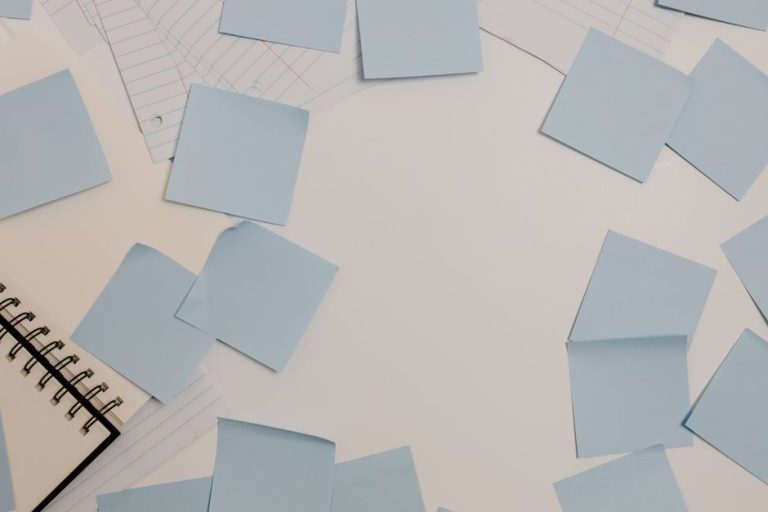
If your home or desk is covered in sticky notes, you are not alone. Many people with ADHD use sticky notes as a way to keep important thoughts from disappearing into thin air. Your brain works hard, but holding onto information for later can feel almost impossible sometimes. Sticky notes become a lifeline.
The problem is that sticky notes can quickly turn into wallpaper. You stop seeing them after a while. A yellow square on the fridge that has been there for three weeks might as well be invisible. That is why having a system matters. Random sticky notes everywhere is chaos. A thoughtful sticky note system? That can actually work really well for an ADHD brain.
This article will walk you through some of the best sticky note systems designed with ADHD in mind. These ideas are simple, low-cost, and genuinely helpful.
The Color-Coding Method
Color is one of the most powerful tools for an ADHD brain. Your brain responds strongly to visual contrast and novelty. When everything looks the same, nothing stands out. But when you assign meaning to colors, your eye naturally goes to what matters most right now.
Here is a simple color system to try:
- Red notes — urgent tasks that must happen today
- Yellow notes — important but not urgent reminders
- Blue notes — ideas or things to think about later
- Green notes — positive affirmations or wins to remember
You do not need to follow this exact setup. The key is to pick a system and stick to it. When you glance at your desk and see a red note, your brain already knows it needs attention before anything else. No reading required. That split-second recognition is a big deal when your attention is stretched thin.
The One-Zone Rule
One of the biggest mistakes with sticky notes is spreading them everywhere. On the mirror, the fridge, your laptop, your wallet, the car dashboard. Eventually your brain learns to ignore all of them because they are everywhere and everything feels equally important.
The one-zone rule means you pick one dedicated sticky note space and only use that spot. A small corkboard next to your desk works great. So does a single section of your bathroom mirror or one panel of your fridge. The location should be somewhere you naturally look every single day without thinking about it.
When your sticky notes live in one place, that place becomes meaningful. Your brain learns that checking that spot is part of your routine. It stops being background noise and starts being a reliable signal. Less is genuinely more here, even if that feels counterintuitive.
The Daily Dump and Refresh
Sticky notes get stale fast. A reminder you wrote two weeks ago has lost all urgency, even if the task still matters. One of the best habits you can build is doing a daily sticky note refresh each morning.
Here is how it works. Every morning, take two minutes to look at all your current sticky notes. Throw away anything completed or no longer relevant. Rewrite any note that has been sitting for more than a few days. The act of rewriting it signals to your brain that this thing still matters. Fresh ink on a fresh note feels new and urgent in a way that an old crumpled note never does.
This habit also gives you a moment of clarity at the start of your day. You are not just reacting to whatever grabs your attention first. You are looking at your priorities intentionally. Pairing this with a digital tool like the Gaveki app can help you capture anything that falls through the cracks, since not every reminder fits neatly on a piece of paper.
The Brain Dump Board
ADHD brains generate a constant stream of thoughts, ideas, worries, and random facts. When you try to hold all of that inside your head, it creates mental clutter that makes focusing on anything harder. A brain dump board gives those thoughts somewhere to go.
Set up a separate corkboard or wall section specifically for brain dumping. This is not your task list. This is just a place to park thoughts so your brain can let go of them. Had a random idea at 2pm? Write it on a note and stick it there. Worried about something you need to handle next week? Same thing.
Once a week, go through the brain dump board. Some notes will turn into real tasks. Some will seem silly by then and you can toss them. Either way, the act of getting thoughts out of your head and onto paper is genuinely calming for a busy ADHD brain. Research consistently supports the idea that externalizing information reduces mental load.
Making Sticky Notes Work Alongside Digital Tools
Sticky notes are great for visual, physical reminders. But they have real limits. They cannot send you an alert. They cannot travel with you easily. They can get lost or fall off the wall at the worst time.
The best approach for many people with ADHD is to use sticky notes for their strengths and pair them with digital tools for everything else. Use a physical sticky note for your top three priorities today. Use an app for anything time-sensitive, recurring, or complex. Tools like the Gaveki app are built specifically with ADHD focus in mind, making it easier to stay on track without feeling overwhelmed by a massive to-do list.
Think of it as building a personal system with multiple layers. Your sticky notes are your visual anchor. Your digital tools are your safety net. Together they cover the gaps that either one would leave on its own.
Keep It Simple Enough to Actually Use
The most important thing about any sticky note system is that it has to be simple enough that you will actually do it. A complicated system with fifteen rules and six categories sounds good in theory. In practice, ADHD brains will abandon it within a week.
Start with just one idea from this article. Maybe that is color-coding. Maybe it is the one-zone rule. Pick the one that felt most natural when you read it and try it for one week. If it helps even a little, keep going. If it does not feel right, try something else.
You are not failing if you need to adjust your system. You are learning what your specific brain needs. That is actually the smartest thing you can do.
You Are Already Doing Something Right
The fact that you use sticky notes at all shows you are already looking for ways to support your brain. That is not a weakness. That is self-awareness. People with ADHD often develop creative, scrappy strategies to help themselves function, and those strategies deserve respect.
A little structure around those instincts can go a long way. With the right sticky note system in place, those little squares of paper can actually do the job they are supposed to do. And your brain gets to spend its energy on things that actually need your attention, not on trying to remember everything at once.
🧠 Tools That Actually Help ADHD Adults
Free ADHD Focus App
Daily Planner Notepad
Weekly Planner Pad
Amazon links are affiliate links. We may earn a commission at no extra cost to you.