ADHD Distraction-Free Workspace Setup Guide
Your Space Is Working Against You (But It Doesn’t Have to)
You sit down to work. Within five minutes, your eyes drift to the pile of laundry in the corner. Then to your phone. Then to that interesting crack in the ceiling. Sound familiar? For people with ADHD, the environment around us isn’t just background noise — it’s a constant battle for attention. Our brains are wired to notice everything, and that makes a cluttered or chaotic workspace feel almost impossible to work in.
The good news is that small, practical changes to your workspace can make a real difference. You don’t need a fancy home office or a complete renovation. You just need to understand what your brain responds to — and set things up to work with it instead of against it. This guide will walk you through exactly how to do that.
Start With the Clutter (Seriously, Do This First)
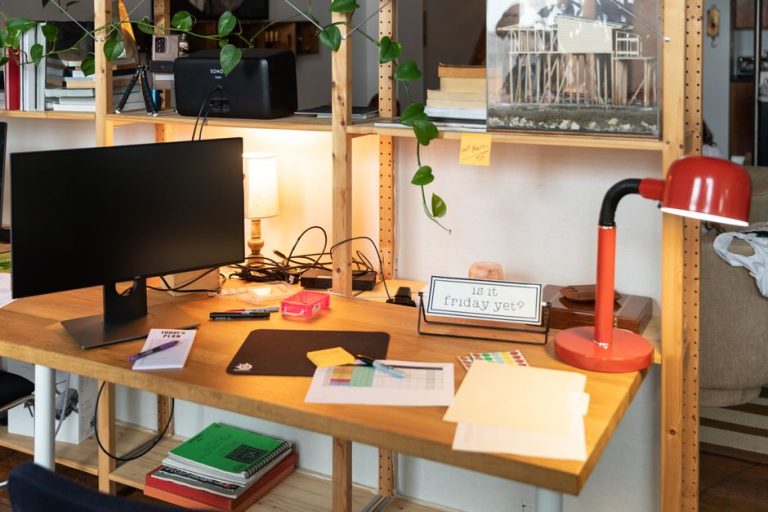
Visual clutter is one of the biggest focus killers for ADHD brains. Every object in your line of sight is a potential distraction. That stack of unopened mail, the five coffee mugs, the random charging cables — each one is quietly competing for your attention without you even realizing it. A cleaner surface means fewer things pulling your brain away from the task at hand.
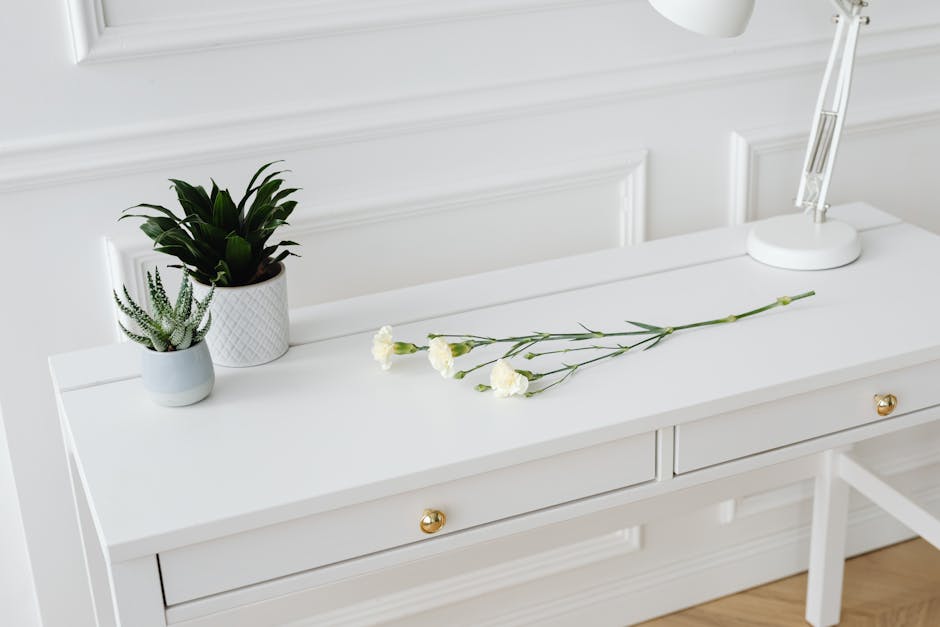
You don’t have to deep-clean your entire home. Just focus on your immediate workspace. Clear everything off your desk or table and only put back the things you actually need for today’s work. Use a drawer, a box, or even a bag to hold everything else temporarily. Out of sight really does mean out of mind — and for the ADHD brain, that’s a powerful thing.
- Remove anything that isn’t related to what you’re working on right now
- Hide your phone or place it in another room if possible
- Use small containers or trays to organize what stays on the desk
- Clear the floor around your workspace too — peripheral clutter still registers
Set Up Your Space for One Thing at a Time
ADHD brains often struggle with something called task switching — moving from one thing to another and back again. When your workspace has reminders of multiple projects spread across it, your brain tries to process all of them at once. That mental juggling is exhausting before you’ve even started. Setting up your space to focus on just one task helps signal to your brain that there’s only one job right now.
Before you sit down to work, decide on the one thing you’re doing in this session. Then arrange your space around only that task. If you’re writing, have only your writing tools visible. If you’re studying, have only that subject’s materials out. This sounds simple, but it removes a surprising amount of mental friction. When your environment says “one thing,” your brain finds it much easier to agree.
Think About Sound and Light
Sound is a huge factor for ADHD focus, and everyone is different. Some people focus better with complete silence. Others actually do better with some background noise — like soft music, white noise, or a busy café atmosphere. There’s no single right answer here. The key is figuring out what works for you and then recreating it consistently.
Lighting matters too. Dim or harsh lighting can make you feel tired or anxious, both of which make focus harder. Natural light is ideal when you can get it — it tends to boost mood and alertness. If you’re working at night or in a dark room, a warm white desk lamp pointed at your workspace (not directly at your face) can help. Try to keep your lighting consistent from session to session so your brain starts associating that setup with focus time.
- Try noise-canceling headphones if outside sounds pull your attention
- Experiment with lo-fi music, white noise, or brown noise playlists
- Position your desk near a window if natural light is available
- Avoid fluorescent overhead lights if they feel harsh or buzzy to you
Create a “Focus Trigger” Routine
One powerful strategy for ADHD is using routines and rituals to cue your brain into focus mode. Your brain is good at pattern recognition — if you do the same small sequence of actions before you start work every time, those actions start to signal “it’s time to focus now.” This is sometimes called a focus trigger, and it’s a gentle way to ease your brain into work without forcing it.
Your focus trigger can be anything that feels natural to you. It might be making a cup of tea, putting on your headphones, clearing your desk surface, and opening only one tab on your computer. The specific steps don’t matter as much as doing them in the same order consistently. Over time, just starting that routine will begin shifting your brain toward a more focused state before you’ve even opened a single document.
Tools like the Gaveki app can be a helpful part of this routine — it’s built specifically for ADHD focus and can help you structure your sessions so starting work feels less overwhelming and more manageable.
Manage Digital Distractions Too
Your physical space matters, but your digital space is just as important. Browser tabs, notification pings, social media feeds — these are designed to grab attention, and ADHD brains are especially vulnerable to them. One notification can send you down a 45-minute rabbit hole before you even notice what happened. That’s not a willpower failure. That’s just how our brains work.
Try keeping only the tabs you need open for your current task. Turn off non-essential notifications during your work session. Many phones and computers have built-in focus modes that block distracting apps for a set amount of time. If you find yourself compulsively checking things, apps like Gaveki can help you stay on track with structured focus sessions that make it easier to stay in one place mentally.
- Close all browser tabs except the ones you need right now
- Turn on Do Not Disturb mode on your phone and computer
- Use a focus app or timer to set clear work periods
- Log out of social media so the extra step slows down impulse checking
You Deserve a Space That Supports You
Setting up a distraction-free workspace isn’t about being perfect or having a Pinterest-worthy desk setup. It’s about giving your brain a fair chance. When your environment is working with your ADHD instead of against it, focus becomes something that’s actually possible — not just a thing other people seem to manage easily.
Start small. Pick one thing from this guide and try it today. Maybe that’s clearing your desk before you sit down, or turning your phone face-down, or finding a playlist that helps you concentrate. Small changes stack up over time. Your brain is not broken — it just needs the right conditions to do its best work. And you’re already taking the right steps by learning how to create them.
🧠 Tools That Actually Help ADHD Adults
Free ADHD Focus App
Desk Organizer Set
Balance Board for Desk
Amazon links are affiliate links. We may earn a commission at no extra cost to you.
The ADHD focus app that gets it.
Brain dump, focus shield, routines, and coaching — free to start on iPhone, iPad, and Android.