Why ADHD Disrupts Sleep Patterns
When Your Brain Won’t Shut Off at Night
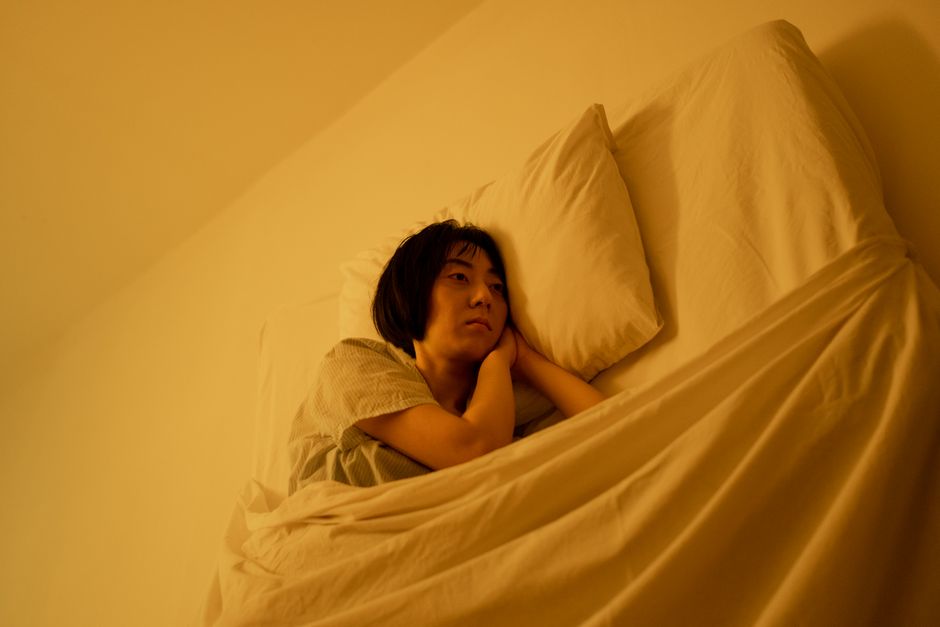
You’re exhausted. You’ve been tired all day. But the moment your head hits the pillow, your brain decides it’s the perfect time to replay every awkward conversation from 2015. Sound familiar? If you have ADHD, this kind of nighttime chaos is incredibly common. You’re not doing anything wrong. Your brain just works differently, and that difference shows up in a big way when it’s time to sleep.
Sleep problems affect a large number of people with ADHD. Some research suggests that up to 70% of adults with ADHD report sleep difficulties. That’s not a coincidence. There are real reasons why ADHD and sleep don’t always get along, and understanding those reasons can help you finally get some rest.
The ADHD Brain Has Trouble Shifting Gears
One of the core traits of ADHD is difficulty with transitions. This doesn’t just mean switching tasks during the day. It also means switching from “awake mode” to “sleep mode” at night. The ADHD brain often struggles to slow down its activity, even when the body is tired. This is sometimes called hyperarousal, and it keeps your nervous system in a higher state of alertness than it needs to be.
Think of it like a car engine that stays revved up even when you’re parked. Your body is ready to stop, but your brain is still going. This can make falling asleep feel almost impossible, even when you’re completely drained from the day. The harder you try to force sleep, the more awake your brain seems to become.
Racing Thoughts and the Nighttime Spiral
Daytime noise and busyness can actually help some people with ADHD focus. There’s always something coming in to grab your attention. But at night, when things get quiet, your brain doesn’t always respond well to the silence. Without any outside stimulation, your thoughts can take over and start running in all directions at once.
This is when the nighttime spiral begins. You think about something you forgot to do. That leads to worrying about tomorrow. That leads to a random memory from years ago. Before you know it, an hour has passed and you’re no closer to sleep. This kind of mental restlessness is a real and frustrating part of living with ADHD, and it’s not something you can simply “turn off” by trying harder.
Your Internal Clock May Run on a Different Schedule
Many people with ADHD experience something called delayed sleep phase. This means your body’s natural sleep-wake cycle is shifted later than average. You might not feel sleepy until 1 or 2 in the morning, even if you’ve been awake since early that day. Then, when morning comes, waking up feels nearly impossible because your body thinks it’s still the middle of the night.
This isn’t laziness. It’s biology. Research suggests that ADHD may affect the body’s internal clock in ways that push sleep timing later. This can create a constant struggle, especially for people who have to be up early for work or school. You end up chronically sleep-deprived, which then makes ADHD symptoms like focus, mood, and impulsivity even harder to manage during the day.
How Poor Sleep Makes ADHD Symptoms Worse
Here’s the tricky part. ADHD disrupts sleep, and poor sleep makes ADHD worse. It becomes a cycle that feeds itself. When you don’t get enough rest, your ability to focus drops. Your patience runs thin. Your emotions feel bigger and harder to handle. Tasks that were already challenging become even more overwhelming.
Sleep is when your brain processes information, regulates emotions, and recharges for the next day. Without enough of it, everything takes more effort. For someone with ADHD, who is already working harder than others just to keep up, losing sleep can feel devastating. Recognizing this cycle is the first step toward breaking it.
Small Changes That Can Actually Help
The good news is that there are practical things you can do to support better sleep, even with an ADHD brain. None of these are magic fixes, but small consistent changes can make a real difference over time.
- Create a wind-down routine. Give your brain a signal that sleep is coming. This might include dimming lights, putting away screens, or doing something calm like reading or stretching.
- Keep a consistent wake time. Even if you went to bed late, waking up at the same time each day helps anchor your internal clock.
- Write down your thoughts before bed. A simple brain dump of worries, to-do items, or random thoughts can help clear mental clutter so your mind has less to race through.
- Limit stimulating activities close to bedtime. Video games, intense shows, and social media can all keep your brain in high gear when it needs to be slowing down.
- Use background noise or white noise. Some people with ADHD sleep better with a little sound in the background rather than complete silence.
Managing your daytime ADHD symptoms can also play a role in how well you sleep. When focus and task completion feel more manageable during the day, you go to bed with less stress and fewer unfinished thoughts weighing on you. Tools like the Gaveki app can help you stay on track during the day, which often takes some of the pressure off your nights.
You Deserve Rest Too
It’s easy to feel frustrated or even ashamed when sleep doesn’t come easily. But there’s nothing weak or broken about you. Your brain is wired in a way that makes rest harder to reach, and that’s a real challenge worth taking seriously. Many people with ADHD have found ways to improve their sleep, and you can too.
If sleep problems are significantly affecting your daily life, talking to a doctor or sleep specialist is always a good idea. There are professional supports available, and you don’t have to figure everything out on your own. In the meantime, be patient with yourself. Small steps forward still count. You are not lazy. You are not making excuses. You are dealing with something genuinely difficult, and you deserve the same rest as everyone else.
🧠 Tools That Actually Help ADHD Adults
Free ADHD Focus App
Blue Light Glasses
Weighted Blanket
Amazon links are affiliate links. We may earn a commission at no extra cost to you.