Why Analog Tools Help ADHD Adults Focus Better
Your Brain Might Just Prefer Paper
You have seventeen productivity apps on your phone. A color-coded digital calendar. Three different task managers. And somehow, you still feel scattered and behind on everything. Sound familiar? If you have ADHD, you are definitely not alone in this experience. Many adults with ADHD find that the more digital tools they add, the harder it becomes to actually focus and get things done.
Here is something that might surprise you: a simple paper notebook and a good pen could do more for your focus than any app you have ever downloaded. Analog tools — things like physical planners, sticky notes, whiteboards, and index cards — have some real advantages for the ADHD brain. Let’s talk about why that is, and how you can start using them to your benefit.
Digital Devices Are Built for Distraction
When you pick up your phone to check your to-do list, you are also picking up every notification, every app icon, and every little red badge demanding your attention. Your brain sees all of it at once. For a neurotypical person, this might be mildly annoying. For an ADHD brain, it can completely derail the task you were trying to start in the first place.
Digital devices are designed to pull your attention in as many directions as possible. That is how they make money. Your ADHD brain is already working hard to stay on track, and a screen full of competing stimuli makes that job much harder. A paper planner, on the other hand, only shows you what you put on it. There are no pop-ups. No autoplay videos. No rabbit holes to fall into.
This does not mean digital tools are all bad — sometimes they are exactly what you need. But understanding why screens can be so draining for the ADHD brain helps explain why stepping away from them for certain tasks can feel like a huge relief.
Writing by Hand Helps Your Brain Remember
There is solid research showing that writing things down by hand helps people remember them better than typing. When you write something by hand, your brain processes the information more deeply. You slow down, you think about what you are writing, and you make more meaningful connections. For people with ADHD who often struggle with working memory, this extra processing can make a real difference.
Typing, by contrast, tends to be fast and automatic. You can type words without really thinking about them. That means information often goes in one ear and out the other — or in this case, through your fingers and straight off your mental radar. Writing by hand forces a kind of gentle pause that helps things stick.
Try writing down your top three tasks for the day on a piece of paper each morning. Not typing them. Actually writing them. Many people with ADHD find that this simple habit makes them far more likely to follow through on what they planned.
Physical Objects Are Harder to Ignore
One of the core challenges of ADHD is called “out of sight, out of mind.” If you cannot see something, it basically does not exist in the ADHD brain. This is why you forget about the email you meant to reply to, the bill you meant to pay, or the task you saved in a digital folder you never open again.
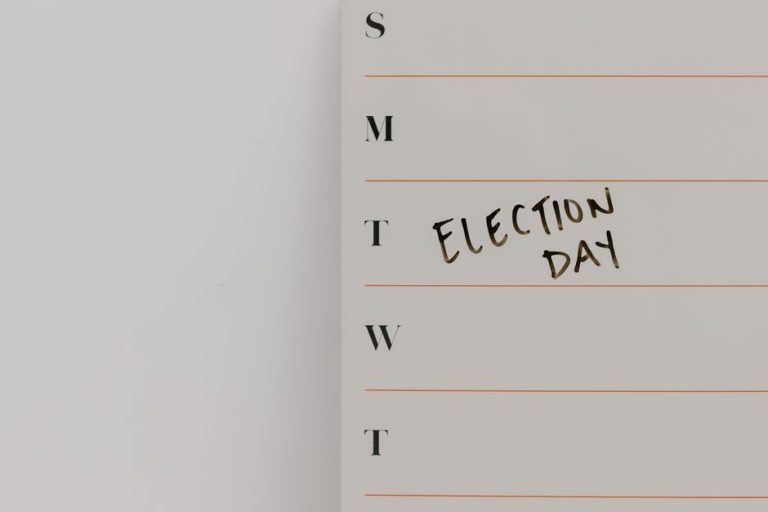
Physical tools do not disappear. A sticky note on your monitor stays there. A whiteboard on your wall stays there. A paper planner sitting open on your desk stays there, quietly reminding you of what matters today. The physical presence of analog tools works with the ADHD brain instead of against it.
Try putting your most important tasks somewhere you absolutely cannot miss them. A sticky note on your laptop lid. A index card next to your coffee mug. A small whiteboard by your desk. The goal is to make your priorities visible and impossible to accidentally close or minimize.
Analog Tools Give You a Sense of Completion
There is something deeply satisfying about crossing a task off a paper list. That physical act — drawing a line through a completed item, checking a box, or even crumpling up a note because you are done with it — gives your brain a small but real reward signal. For the ADHD brain, which often struggles with motivation and the feeling that nothing is ever truly finished, this kind of tangible closure matters a lot.
Digital checkmarks are fine, but they often lack that same feeling. Tapping a button does not feel the same as dragging a thick pen line through something you worked hard on. Many people with ADHD describe the physical act of crossing things off as genuinely motivating — it makes them want to complete the next thing on the list just to feel that satisfaction again.
If you want a boost to go along with your analog habits, tools like the Gaveki app can help you stay focused during work sessions while your paper planner handles your task list. The two approaches can work really well together.
Starting Simple Is the Whole Point
One of the best things about analog tools is that they have zero learning curve. You do not need a tutorial. You do not need to set up an account or customize settings. You pick up a pen, you write something down, and you are done. For an ADHD brain that can get completely stuck in the process of setting up a new system, this simplicity is a genuine gift.
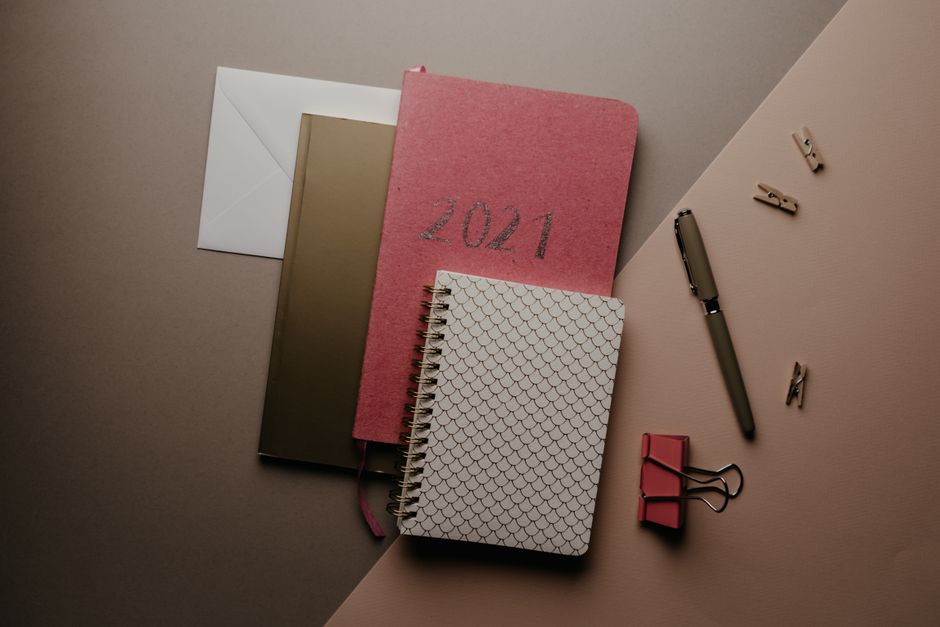
You do not need a fancy planner or an expensive journal to get started. A basic spiral notebook from a dollar store works perfectly. A pack of sticky notes and a marker is enough to build a visible task system that actually helps you. The barrier to entry is almost nothing, which means you can start today instead of spending two hours researching the perfect system.
If you do want to explore more structure, Gaveki offers AI-powered focus support that pairs well with a simple analog setup — use paper for planning and Gaveki for staying on track while you work.
You Are Allowed to Mix and Match
Using analog tools does not mean throwing out every digital resource you have. The goal is to find what actually works for your brain, and for many people with ADHD, the answer is a combination of both. Maybe you use a paper planner for daily tasks but a digital calendar for long-term appointments. Maybe you write notes by hand but use an app for reminders. There is no rule that says you have to pick one side.
What matters most is that your system is simple enough that you will actually use it, visible enough that you will not forget about it, and flexible enough that it can fit your real life — not just a perfect, hypothetical version of it. Your ADHD brain is creative and adaptable. The right tools should be too.
Give yourself permission to experiment. Try a sticky note system for a week. Keep a small notebook next to your bed. Put a whiteboard somewhere you look every day. You might be surprised by how much calmer and more in control you feel when your most important tasks exist somewhere other than a screen.
🧠 Tools That Actually Help ADHD Adults
Free ADHD Focus App
Focus Tools Bundle
ADHD Productivity Planner
Amazon links are affiliate links. We may earn a commission at no extra cost to you.