Best Time Management Strategies for ADHD Adults
Time Feels Different When You Have ADHD
If you’ve ever looked up and realized three hours passed without you noticing — or felt completely frozen even though you had a deadline approaching — you’re not broken. Time management is genuinely harder for people with ADHD. It’s not a willpower problem or a laziness problem. It’s a brain wiring problem.
Many adults with ADHD experience something called “time blindness.” This means your brain has trouble sensing how much time has passed or how much time is left. Regular clocks and calendars don’t always help because your brain processes time differently. The good news is there are real strategies that work with your brain instead of against it.
Make Time Visible
One of the most helpful things you can do is make time something you can actually see and feel. Digital clocks that just show numbers often don’t click for ADHD brains. Instead, try using visual timers — tools that show a shrinking colored section as time runs out. Seeing time disappear creates a sense of urgency that a number on a screen often can’t.
You can also write your schedule on a whiteboard or sticky notes placed where you’ll actually see them. If your to-do list is buried in an app you never open, it basically doesn’t exist. Keep your plans visible, physical, and in your face. Out of sight really does mean out of mind when you have ADHD.
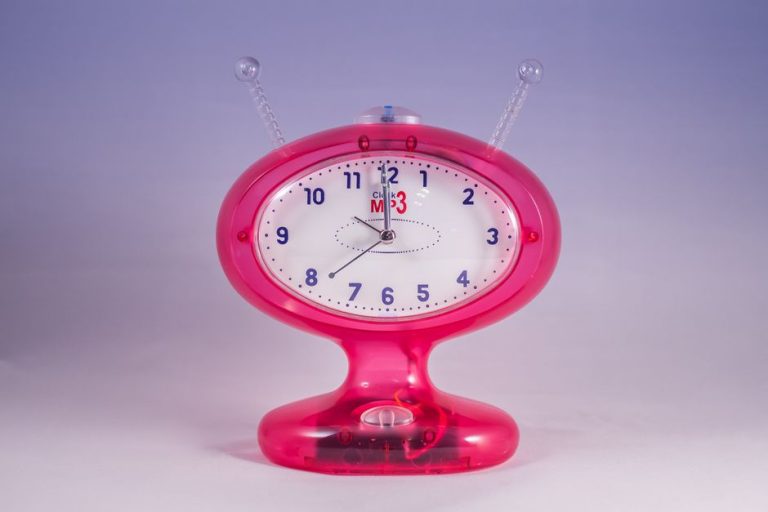
Some people find it helpful to use analog clocks instead of digital ones. The moving hands give your brain a visual cue about how time is flowing. Small changes like this can make a surprisingly big difference in your day.
Use Time Blocks Instead of To-Do Lists
Traditional to-do lists can feel overwhelming when you have ADHD. You stare at ten tasks and your brain freezes up completely. Time blocking is a different approach — instead of listing what you need to do, you schedule when you’ll do each thing. You give every task a specific spot in your day.
Start small. Try blocking just two or three chunks of focused time in your day. Each block should have one clear task and a set start and end time. Knowing that a task only lasts 25 minutes makes it feel much less scary than an open-ended item sitting on a list.
This method works well because it removes decision-making in the moment. When decision fatigue hits — which happens fast with ADHD — your brain doesn’t have to figure out what to do next. Your schedule already made that call for you. Less deciding means more doing.
Work With Your Energy, Not Against It
Not all hours in the day are equal for ADHD adults. Most people have a window of time when their focus is naturally sharper. For some people that’s the morning. For others it’s late afternoon or even at night. Learning when your brain is most ready to work is a game changer.
Try to schedule your hardest, most important tasks during your peak energy window. Save easier things — like answering emails, doing laundry, or running errands — for times when your focus tends to drift. Fighting your natural energy cycle is exhausting and usually doesn’t work.
Pay attention to what happens right after you eat, after you exercise, or after a bad night of sleep. These patterns are real and they matter. Once you notice them, you can start building a daily rhythm that actually fits how your brain works.
Use Timers to Start and Stop
Starting a task is often the hardest part of ADHD. Your brain resists getting going, even when you really want to. A simple trick that helps many people is the “just two minutes” rule. Tell yourself you’ll work on something for only two minutes. That’s it. Often, once you start, it’s much easier to keep going.
Timers are also useful for stopping. Hyperfocus is a real ADHD experience where you get so locked into something that you miss meals, appointments, and other responsibilities. Setting a timer to go off every hour keeps you from losing track of time completely.
Tools like the Gaveki app are built to help with exactly this — using focused work sessions and gentle reminders that help your brain start tasks and stay on track without feeling overwhelmed. Finding a system that automates some of the time-keeping for you takes real pressure off your brain.
Build in Buffers and Expect the Unexpected
Adults with ADHD often underestimate how long things take. This is so common it has a name — planning fallacy. You think the task will take 20 minutes. It takes an hour. Then you’re behind, stressed, and the whole day feels like it’s falling apart.
One fix is to always add buffer time between tasks. If you think something will take 30 minutes, schedule 45. If you think you can get somewhere in 15 minutes, leave 25 minutes early. Building in extra time feels wasteful at first, but it actually creates breathing room that prevents the spiral of being late all day long.
Also give yourself transition time between activities. ADHD brains don’t switch gears easily. Going directly from one demanding task to another drains your focus quickly. Even five minutes of doing nothing between tasks can help your brain reset and show up ready for what’s next.
Be Kind to Yourself When Things Go Wrong
Here’s the truth — even with the best strategies, some days will still go sideways. You’ll miss a block, lose track of time, or end the day feeling like you got nothing done. This does not mean the strategies don’t work. It means you’re human and ADHD is a real challenge.
Self-criticism after a rough day is one of the biggest obstacles for ADHD adults. It drains motivation and makes tomorrow harder before it even starts. Try to end each day by noticing one thing that did go okay — no matter how small. That small win counts.
Using a tool like Gaveki can help you track your progress over time, so even when a single day feels like a failure, you can see the bigger picture of how far you’ve come. Time management with ADHD is a skill you build slowly, with patience and a lot of practice. You’ve got this.
🧠 Tools That Actually Help ADHD Adults
Free ADHD Focus App
ADHD Productivity Planner
Smart Water Bottle
Amazon links are affiliate links. We may earn a commission at no extra cost to you.
The ADHD focus app that gets it.
Brain dump, focus shield, routines, and coaching — free to start on iPhone, iPad, and Android.